Climate crisis likely behind devastating Nepal-Tibet floods that killed more than 1,300, first study finds
Scientists say global heating was a destabilising factor in collapse of 200,000 sq metre glacier in August
TL;DR
- Climate breakdown is suspected as a destabilizing factor in the collapse of a 200,000 sq metre glacier in Nepal and Tibet, which caused catastrophic floods.
- Unusually warm conditions, including record local temperatures, likely weakened the glacier before its collapse.
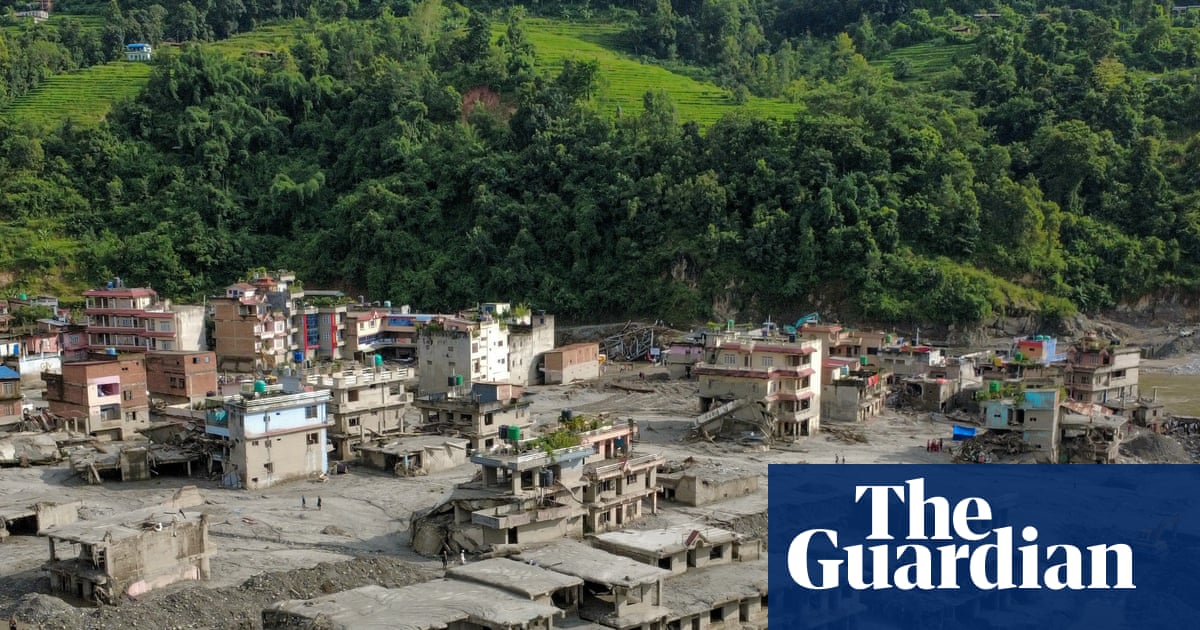
- The collapse sent an avalanche of snow and ice into the valley, triggering flash floods that killed over 1,300 people and left thousands missing.
- Researchers found the disaster was a result of a compound crisis exacerbated by decades of atmospheric heating from greenhouse gas pollution.
- The region experienced about 2C of warming since pre-industrial times, with July and August 2026 being the warmest on record locally.
- The freezing threshold in the Himalayas has risen, weakening mountain slopes and contributing to glacier recession.
- Nepal is seeking UN financial support for the destruction, highlighting the link to the climate crisis and urging top emitting nations to accept responsibility.