Most oil passes through Strait of Hormuz since war began: Chris Wright
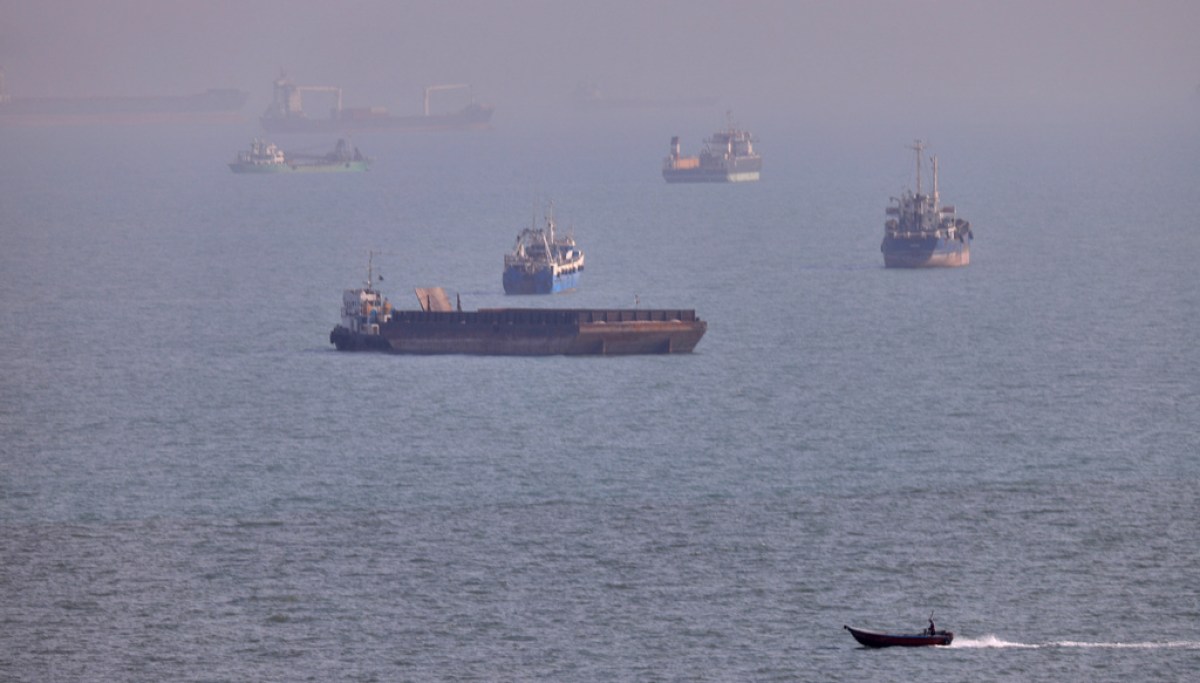
Roughly 17 million barrels of oil and gas products passed through the Strait of Hormuz on Monday, the most since the war in Iran began. Energy Secretary Chris Wright confirmed the total with reporters while traveling to Venezuela Tuesday evening, saying all 17 million barrels passed through via boat. When accounting for additional pipeline capacity for transporting petroleum around the strait, another 4-5 million barrels according to Department of Energy estimates, the total amount of oil leaving the Gulf region was above prewar levels. Before the conflict began, roughly 20 million barrels a day of oil and oil products transited through the crucial waterway, equivalent to about 20% of global demand. If accurate, Monday’s estimates mark a significant win for the United States, which has attempted to facilitate the transit of oil without reaching a long-term ceasefire deal with Iran. The Trump administration has touted its efforts to move oil through the strait in recent weeks, with Wright estimating in early August that the seven-day average for oil passing through the strait was nearly 9 million barrels per day. At the time, market analysts threw cold water on that estimate, projecting that the actual number was closer to 4 million to 6 million barrels a day. Administration officials have defended their estimates, pointing out that market projections are often undercounted due to the number of ships that turn off their transponders to evade attacks from Iran.
TL;DR
- Roughly 17 million barrels of oil and gas products passed through the Strait of Hormuz on Monday, the most since the war in Iran began.
- Energy Secretary Chris Wright confirmed the total, stating all 17 million barrels passed by boat.
- Including pipeline capacity, the total amount of oil leaving the Gulf region was estimated to be above pre-war levels.
- Before the conflict, approximately 20 million barrels a day transited the strait, about 20% of global demand.
- These estimates, if accurate, are seen as a win for the U.S. in facilitating oil transit without a ceasefire deal with Iran.
- The Trump administration has promoted its efforts, with Wright estimating a seven-day average of nearly 9 million barrels per day in early August.
- Market analysts disputed this, projecting actual numbers closer to 4-6 million barrels per day.
- Administration officials defended their estimates, suggesting market projections are often undercounted as ships turn off transponders to evade attacks.