Scientists find nine new sponge species in glimpse of Alaska’s deep-sea diversity
But their habitat is threatened by bottom trawling in the region and Trump’s plan to expand seafloor mining
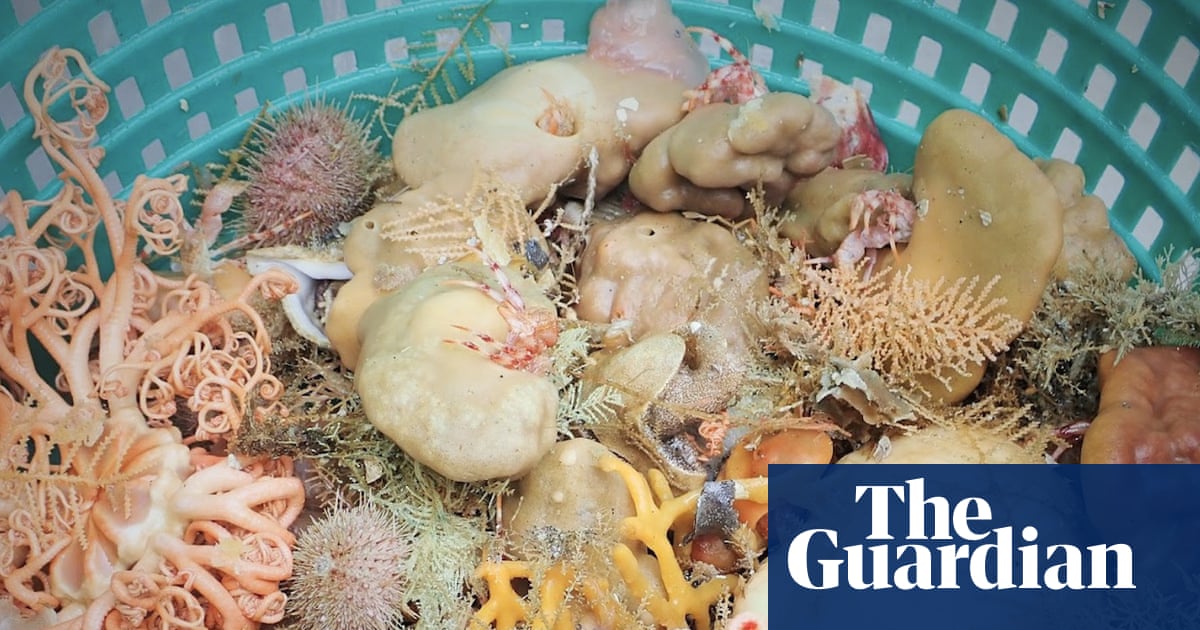
TL;DR
- Nine new deep-sea sponge species were discovered off Alaska by NOAA scientists.
- The discoveries were made in the Gulf of Alaska and the Aleutian Islands.
- Sponges are ecologically important, serving as seafloor habitats for commercially important fish and crabs.
- Identifying new sponge species often relies on microscopic skeletons and genetic material due to their simple structure.
- Deep-sea sponge communities in Alaska are threatened by proposed deep-sea mining and bottom trawling.
- Environmental groups are opposing these activities, citing potential damage to fragile seafloor ecosystems.
- The Trump administration has also proposed deep-sea mining in Pacific ecosystems around the Northern Mariana Islands and Guam.