Israelis Divided as Vote That Could Oust Netanyahu Only Weeks Away
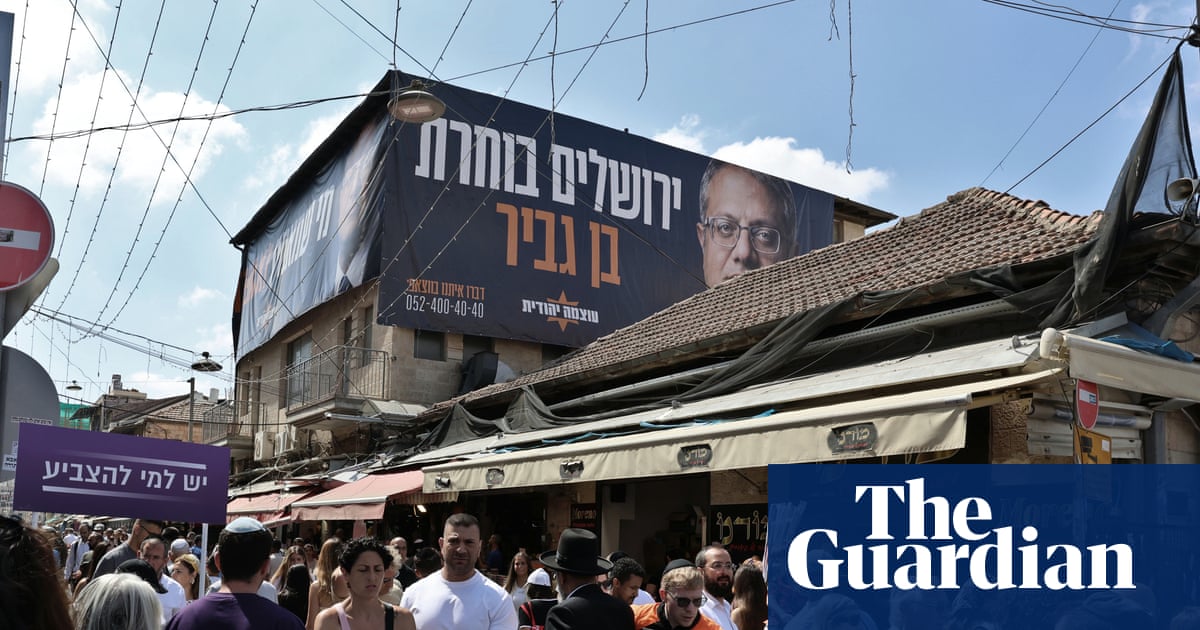
Some on streets of Jerusalem pledge their support to prime minister while others hope for change
TL;DR
- Polls suggest a tight race in the upcoming Israeli election, with neither Prime Minister Netanyahu's bloc nor opposition leader Gadi Eisenkot's camp projected to secure the 61 seats needed for a majority government.
- The election is heavily influenced by the aftermath of the October 7th Hamas attacks, with a significant majority of Jewish respondents stating it will be a central factor in their voting decisions.
- Economic concerns, including record-high food prices and supply chain disruptions due to regional conflict, are also significant factors for voters.
- A dispute over military conscription for ultra-Orthodox men is causing dissent within that community, potentially influencing their voting patterns.
- Palestinian citizens of Israel, who hold a critical number of seats, face challenges including attempts to ban their parties from the election and a general reluctance to express political views due to increased tensions.
- The opposition bloc remains fragmented, struggling to agree on a coherent political platform or strategy.
- Despite the uncertainty and opposition's slight lead in some polls, Netanyahu retains a loyal base of supporters.