Ban Gerrymandering? Hold Your Horses
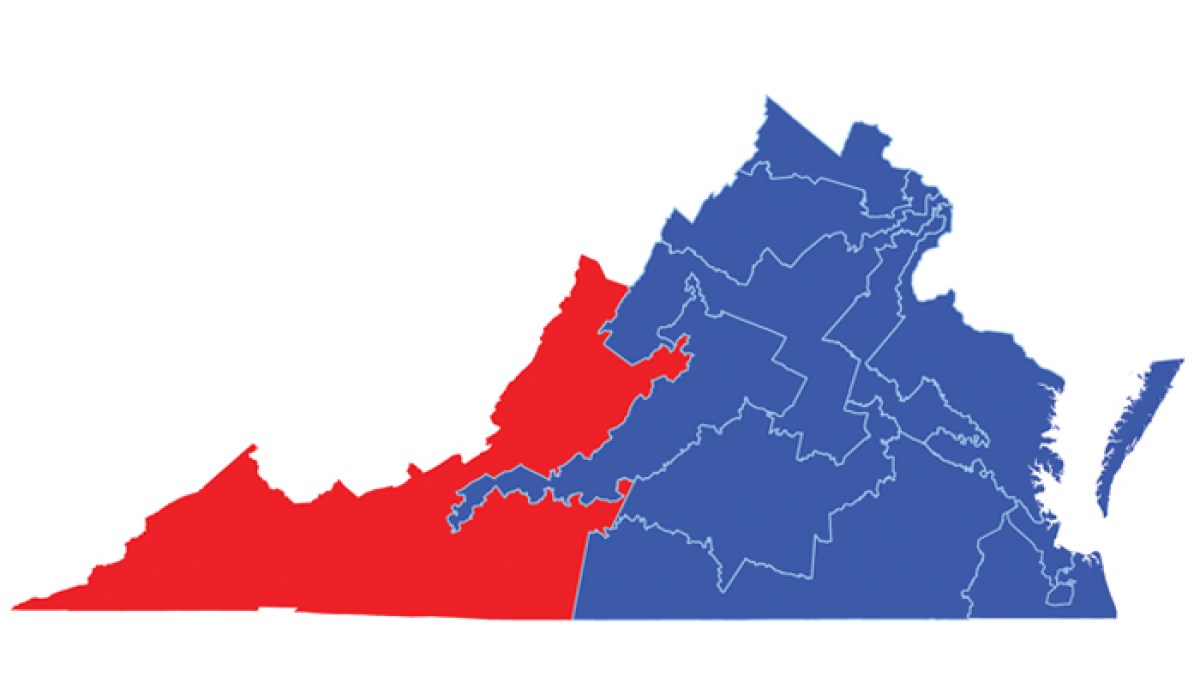
Virginia Democrats won a strikingly narrow victory in last week’s snap election referendum, altering the commonwealth’s constitution by reversing a supermajority-supported ban on partisan gerrymandering. The outcome was opposed by almost 49% of statewide voters, who were subjected to an unremitting and lavishly funded “yes” propaganda campaign that even NPR admitted had sown widespread confusion. Unless the Supreme Court in Richmond follows the lead of lower court rulings and invalidates Tuesday’s result on any number of compelling legal grounds, Democrats’ slim win will empower them to uproot what is considered one of the fairest and most representative congressional maps in the country and replace it with one of the nation’s most unrepresentative maps. The centerpiece of the ubiquitous “yes” campaign was, insultingly, “fairness.”
TL;DR
- Virginia Democrats narrowly won a referendum to reverse a ban on partisan gerrymandering, which critics claim will lead to an unrepresentative congressional map.
- Democrats have previously supported and then dismantled anti-gerrymandering measures when they became politically inconvenient.
- The federal "For the People Act" (H.R. 1) is criticized as a partisan wish list containing many provisions beyond anti-gerrymandering, making its rejection by Republicans not solely about gerrymandering.
- Even "independent" redistricting commissions, as seen in California, can be manipulated to favor one party, resulting in unrepresentative maps.
- Conservatives are urged to be highly skeptical of proposed anti-gerrymandering measures due to perceived bad faith and past actions by Democrats.