MAHA isn't about government regulation. It's a free market movement
At first glance, the Make America Healthy Again movement has seemed like an awkward addition to the American Right. A movement focused on food safety, chemical additives, microplastics, and the health risks of industrial agriculture sounds like something progressive — the latest big government attempt to protect people from themselves.
TL;DR
- The Make America Healthy Again (MAHA) movement is characterized as market-driven and focused on individual responsibility, aligning with conservative principles.
- MAHA's success in federal accomplishments, like voluntary food dye phase-outs, is attributed to responding to consumer demand rather than government mandates.
- The movement contrasts with progressive top-down regulatory models, which face political hurdles and can lead to unintended consequences.
- Examples like the voluntary elimination of trans fats and the growth of the organic market illustrate how private sector and consumer choice can drive health improvements.
- MAHA's strategy is to influence markets through informed consumer choices, rather than through government regulation, creating lasting change.
- The movement's impact is compared to the growth of solar and wind energy, driven by market competitiveness and consumer demand.
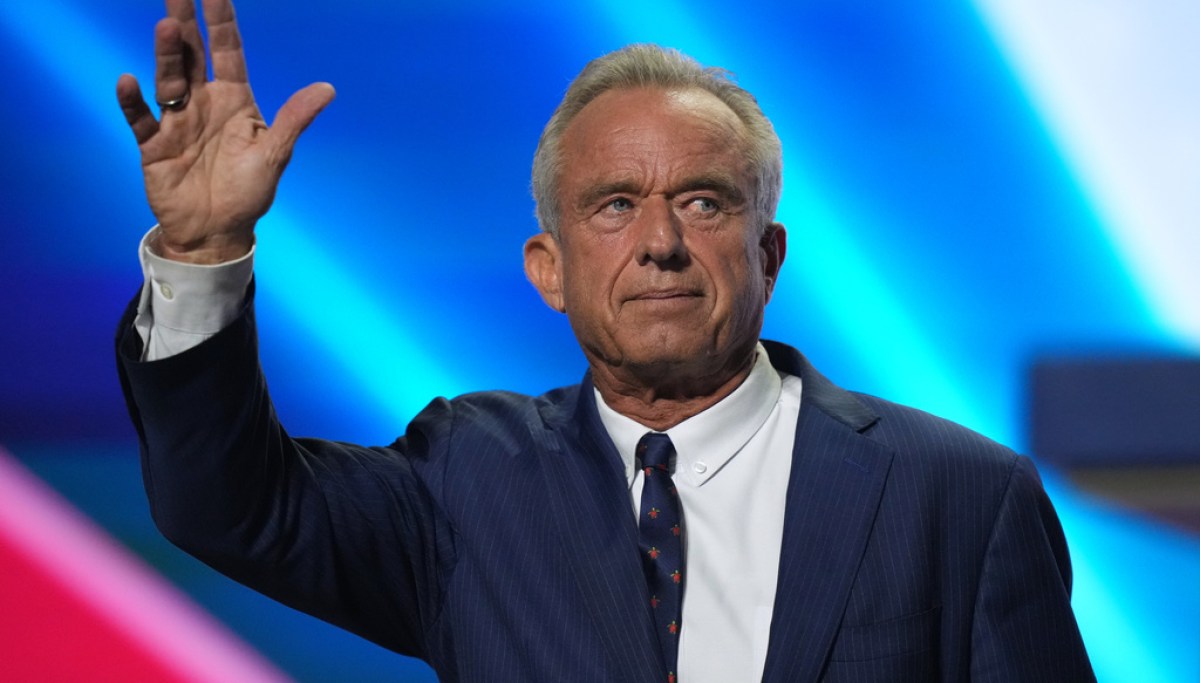
- Robert F. Kennedy Jr. is seen as most effective when promoting companies that reformulate products, leveraging personal choice over government threats.