'We humans are inept at taking care of baby animals': why well-fed orphan bears die in the wild
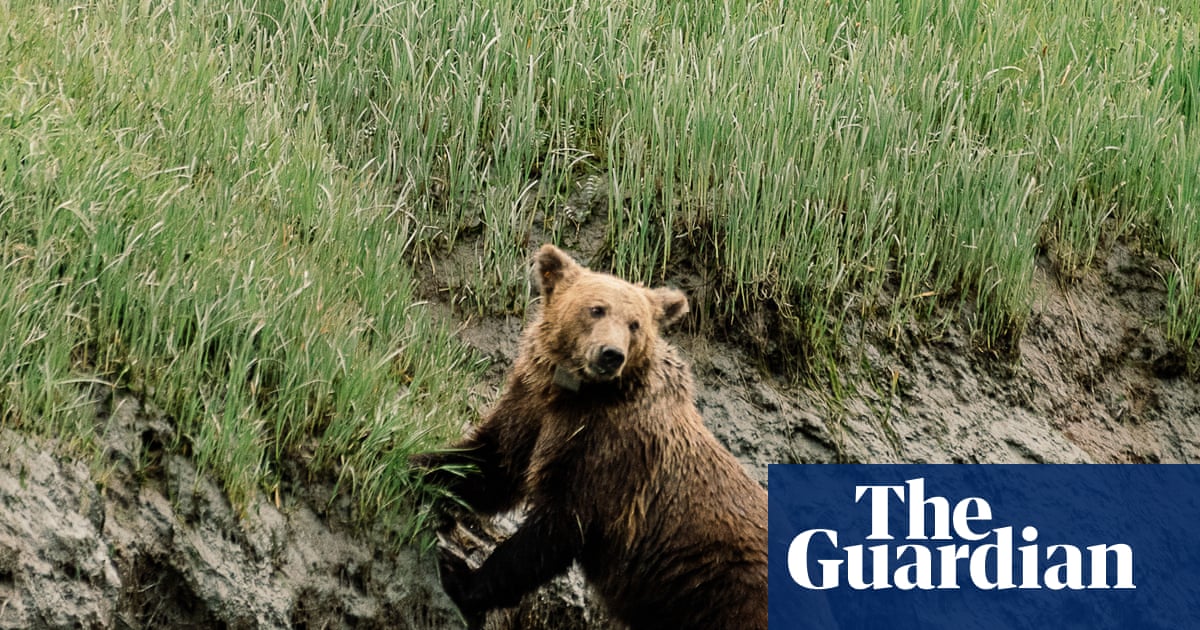
Scientists surprised to find all but two of 12 grizzlies were dead within a year of ‘feelgood’ release, unable to sustain their high-calorie diet and inclined to approach humans
TL;DR
- Orphaned grizzly bear cubs, after rehabilitation, have a high mortality rate, with a study showing most died within a year of release.
- Overfeeding during rehabilitation leads to bears being unnaturally large, struggling to find adequate food, and failing to meet their calorie needs in the wild.
- Rehabilitated bears often exhibit a lack of fear towards humans, leading to dangerous encounters and human-wildlife conflict.
- Maternal care is crucial for teaching cubs foraging, survival skills, and predator avoidance, which is difficult to replicate in rehabilitation.
- Current rehabilitation practices are criticized as 'sympathetic management' rather than effective conservation, and a more hands-off approach is recommended.
- While some argue for focusing on preventing bear orphaning, others emphasize the need for research into effective rehabilitation methods for species like sun bears.