After Standing Rock, could a canceled mine project offer a roadmap for opponents of a new oil pipeline in South Dakota?
Nine groups in the Sioux Nation say an exploratory graphite drilling project endangers a recognized ceremonial site
TL;DR
- New disputes over tribal rights in South Dakota are emerging, echoing the Standing Rock protests.
- An environmental organization and Native American advocacy group sued the US Forest Service over an exploratory graphite drilling project near a ceremonial site called Pe’ Sla.
- Pete Lien and Sons, the company behind the graphite project, withdrew and will perform reclamation on the site.
- Nine groups within the Sioux Nation opposed the graphite project, stating it would affect the use of Pe’ Sla, located within the sacred Black Hills.
- A second exploratory project by a Canadian company to mine uranium could affect Craven Canyon, an area with Indigenous sites.
- Opposition to these projects coincides with a proposed Alberta-to-Wyoming oil pipeline.
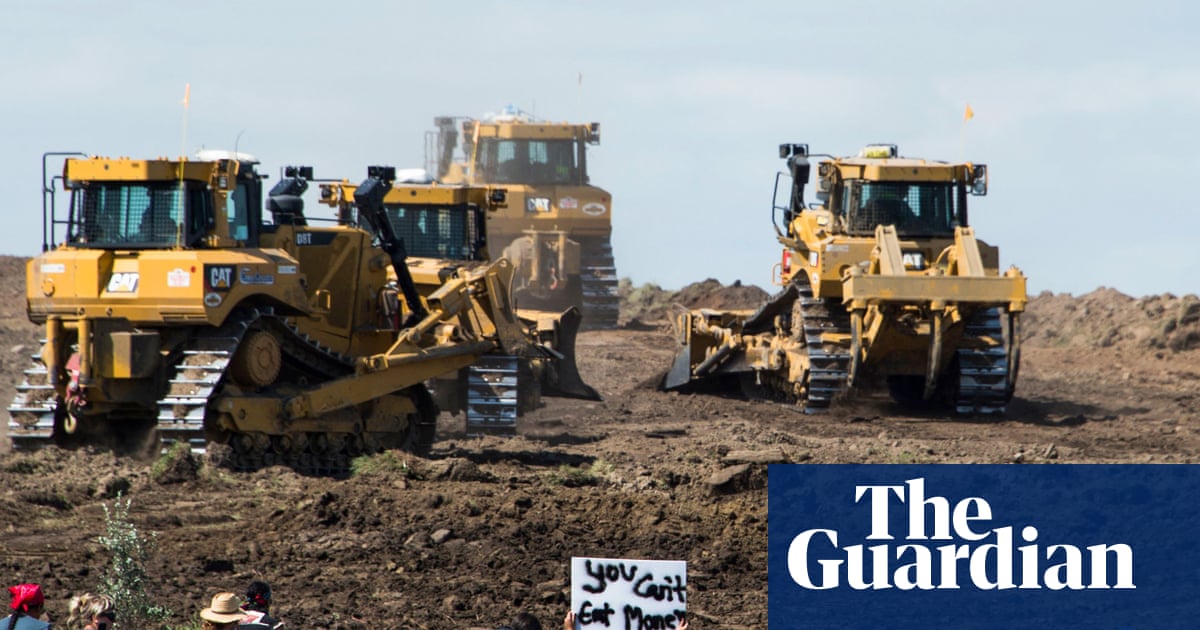
- The disputes center on extraction, water safety, and sacred sites, similar to the 2016 Standing Rock protest against the Dakota Access pipeline.
- Greenpeace was ordered to pay damages in connection with the Standing Rock protests, a decision that is set to appeal.
- Many current disputes relate to energy and the drive for US energy independence, with materials like graphite and uranium being largely imported.
- Opponents argue that tribal consultation requirements and environmental impact studies were violated in the approval process for some projects.
- Tribal leaders emphasize that the Black Hills remain the spiritual center of the Great Sioux Nation and are not for sale or exploitation.
- The Pe’ Sla dispute did not lead to the same scale of grassroots resistance seen at Standing Rock, as elders deemed it inappropriate for a large public gathering.
- Under the Trump administration, there was a perceived decrease in cooperation with tribal groups regarding federal lands, and an increase in opening federal lands for mineral and gas exploration.