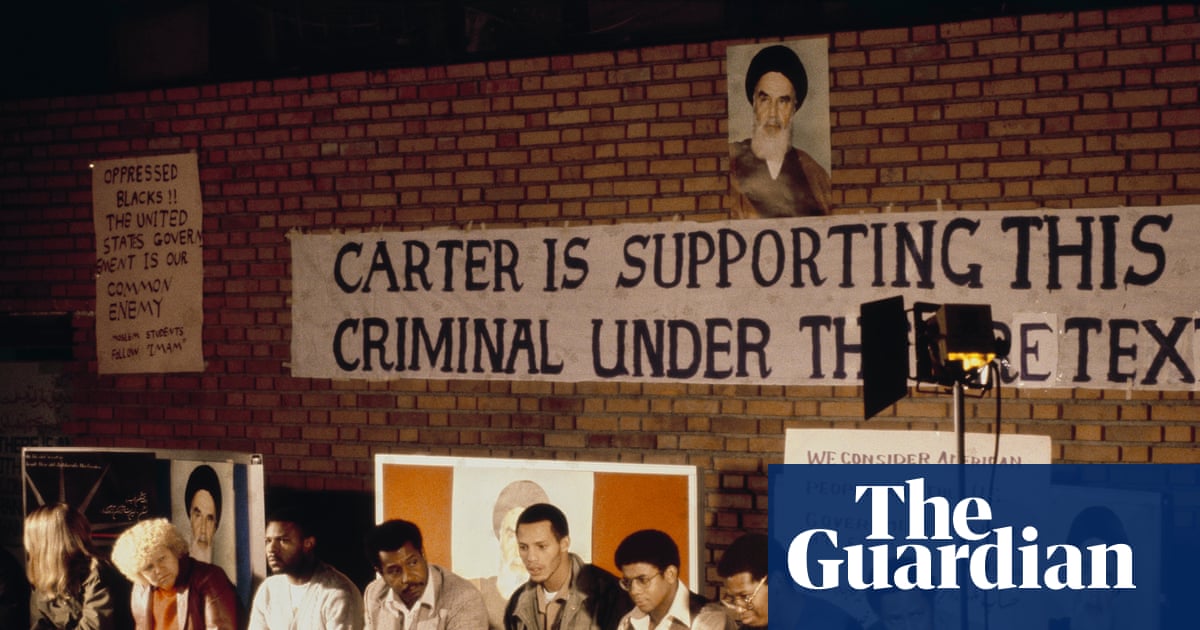
In the 1979 hostage crisis, why did Iran free 10 Black Americans before the others?
Sgt James Hughes was one of the hostages released early. With US-Iran relations once again in the spotlight, he talks about being ‘handcuffed, under armed guard’
TL;DR
- Sgt James Hughes was among 13 hostages released early during the 1979 Iran hostage crisis, an event that included 10 Black American hostages.
- Hughes describes his captivity, including being blindfolded, tied up, and subjected to harsh conditions and interrogations.
- Iran's leadership, under Ayatollah Khomeini, framed the early release as an act of solidarity with oppressed Black Americans, aiming to pressure the US and bolster the revolution's legitimacy.
- The article connects this historical event to contemporary US-Iran relations and the recurring theme of geopolitical rivals exploiting Black American grievances for political purposes.
- It also touches on the complex history of Black internationalism, with some Black activists drawing parallels between their struggles and anti-imperialist movements abroad.
- Hughes reflects on the personal impact of his captivity, including PTSD and the emotional toll of being singled out for early release, which led to hate mail and feelings of being unfairly treated compared to the later-released hostages.
- The article notes that over the years, Iran has made symbolic gestures towards Black Americans, such as issuing a Malcolm X postage stamp and promoting initiatives against racism, although these efforts have been criticized as politically motivated.