‘It’s pretty much a guarantee you’ll get stung’: jellyfish keep swimmers off Delaware beaches
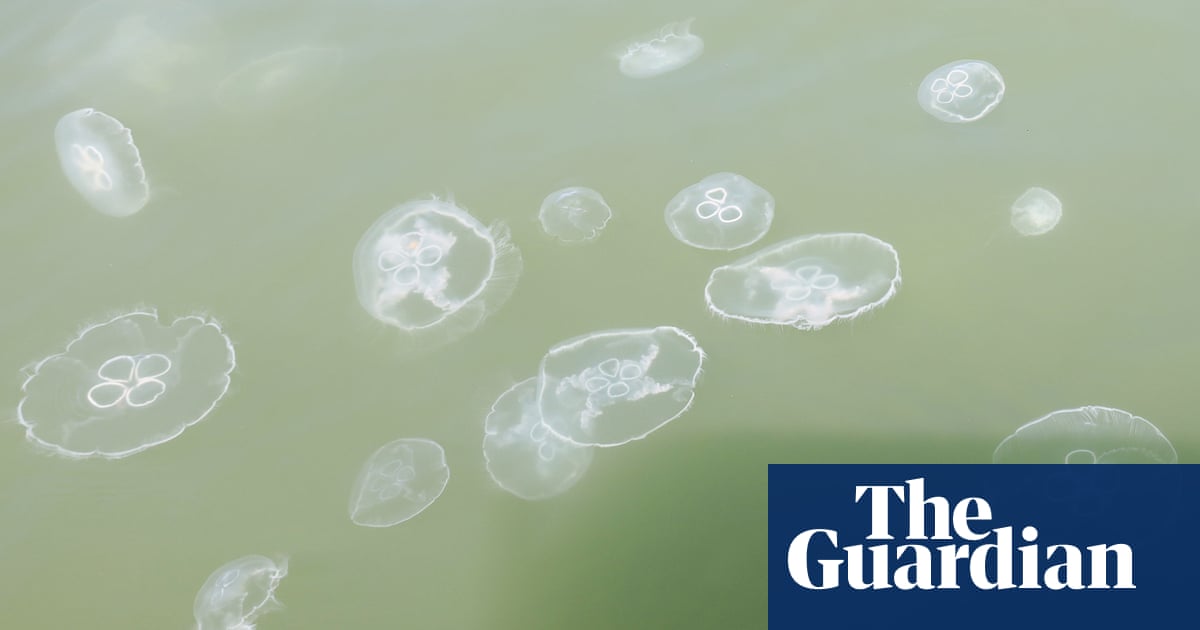
Beach patrols report hundreds of stings a day as warmer waters and drought create favorable conditions for jellyfish
TL;DR
- Delaware beaches are experiencing a significant increase in jellyfish, leading to hundreds of stings daily.
- Environmental factors including warmer waters, drought, and favorable water circulation are contributing to the jellyfish bloom.
- Popular Delaware beaches like South Bethany, Rehoboth, Dewey, and Lewes are affected, with stings lasting longer and causing more severe symptoms than in previous years.
- Lifeguards are reporting high numbers of stings, with some teams recording 150-200 stings per day.
- State officials advise rinsing stings with vinegar and treating with hot water, cautioning against urination on stings.
- Climate change is identified as a driving factor, with rising temperatures and more frequent droughts creating conditions favorable for jellyfish.
- A quieter hurricane season may also contribute to jellyfish accumulation on the coast.
- Beachgoers are expressing disappointment and avoiding the water due to the high risk of stings.
- Similar issues are occurring in Southern California, where stingrays have also moved closer to shore due to marine heatwaves.