Should a tech tycoon be able to pay his way into conducting a world-class orchestra? And should they really sell tickets?
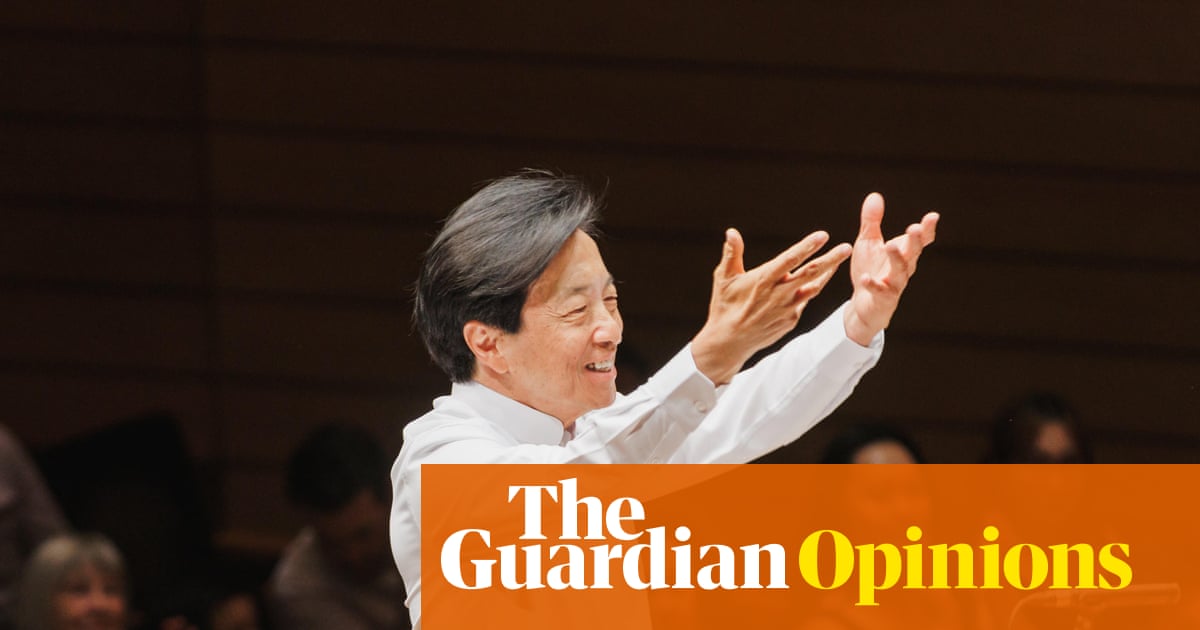
Elon Musk may be able to buy a trip to Mars, but when the super wealthy pay to be conductors – as Canadian entrepreneur Mandle Cheung is doing – it makes a mockery of a meritocracy in classical music
TL;DR
- Professional orchestral musicians require extensive training and skill, but conductors, despite appearing to do little, hold significant responsibility.
- Wealthy amateurs, such as Mandle Cheung, are paying substantial sums to conduct professional orchestras, including renowned works like Mahler's Second Symphony.
- This practice is criticized for turning art into an ego-driven spectacle for the financially powerful and undermining the meritocratic principles of classical music.
- While historical patronage is acknowledged, the commercialization of conducting opportunities is seen as a modern concern, especially when not clearly communicated to audiences.
- The Royal Philharmonic Orchestra defends its decision to allow Cheung to conduct, citing community support and fulfilling a dream for a Mahler enthusiast, but critics argue for transparency.