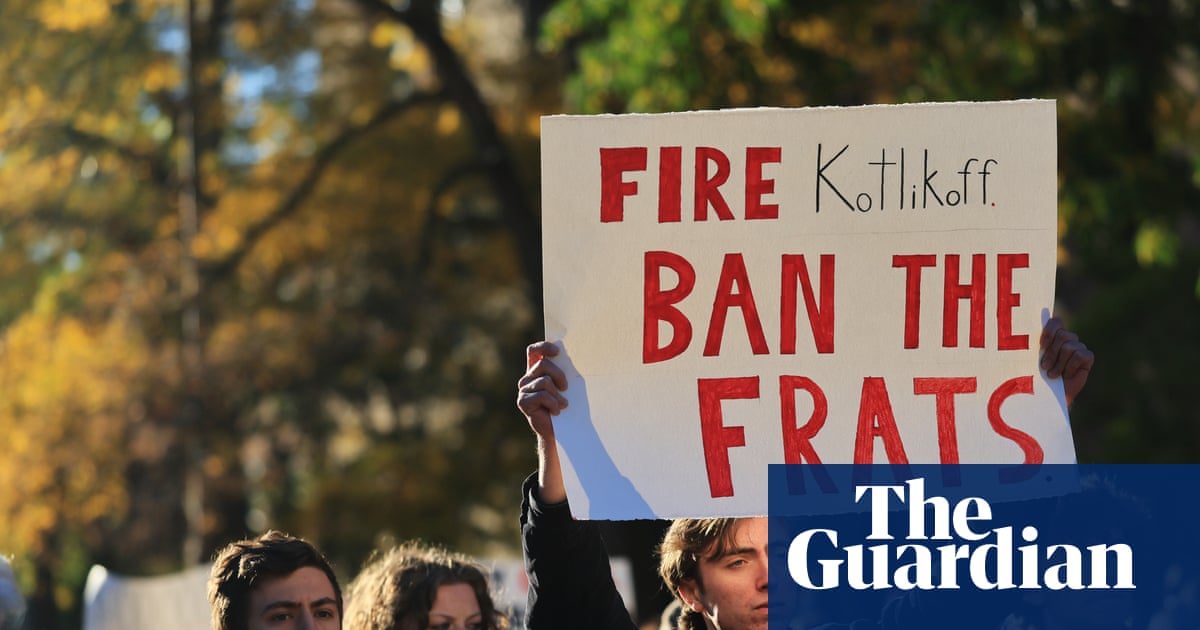
Fraternities are the most likely place for US campus rapes. Should they be shut down?
As an alleged 2024 gang-rape at Cornell comes to light, universities are grappling with a choice: student safety or alumni donations
TL;DR
- A 2024 alleged gang-rape at Cornell University involving members of the Chi Phi fraternity has led to renewed calls for the abolition of Greek life in the U.S.
- Fraternities and sororities have a long history of scandals, including hazing incidents resulting in deaths, drug-dealing networks, and a high rate of sexual assault on college campuses.
- Critics argue that the traditions and culture within Greek organizations perpetuate toxic behaviors, including alcoholism, sexual harassment, bullying, and the objectification of women.
- Despite the risks, students continue to join fraternities and sororities seeking community, friendship, and social support, while universities are often reluctant to ban them due to fear of alienating alumni and impacting enrollment.
- Some institutions have taken action, such as suspending fraternity activities or disbanding chapters, but a widespread ban on Greek life has not yet been implemented, with debate continuing over the balance between student safety and institutional traditions.