America goes to war, but Congress is AWOL
First, because members of Congress were directly elected by the American people, they had the ear of the country and therefore had a better understanding of the public mood. Second, the decision to go to war is of such monumental importance that it should not be left to a single individual behind closed doors, outside the confines of public debate. And third, handing war powers over to Congress would serve as a check on a rash president who was eager to plunge the country into a conflict.
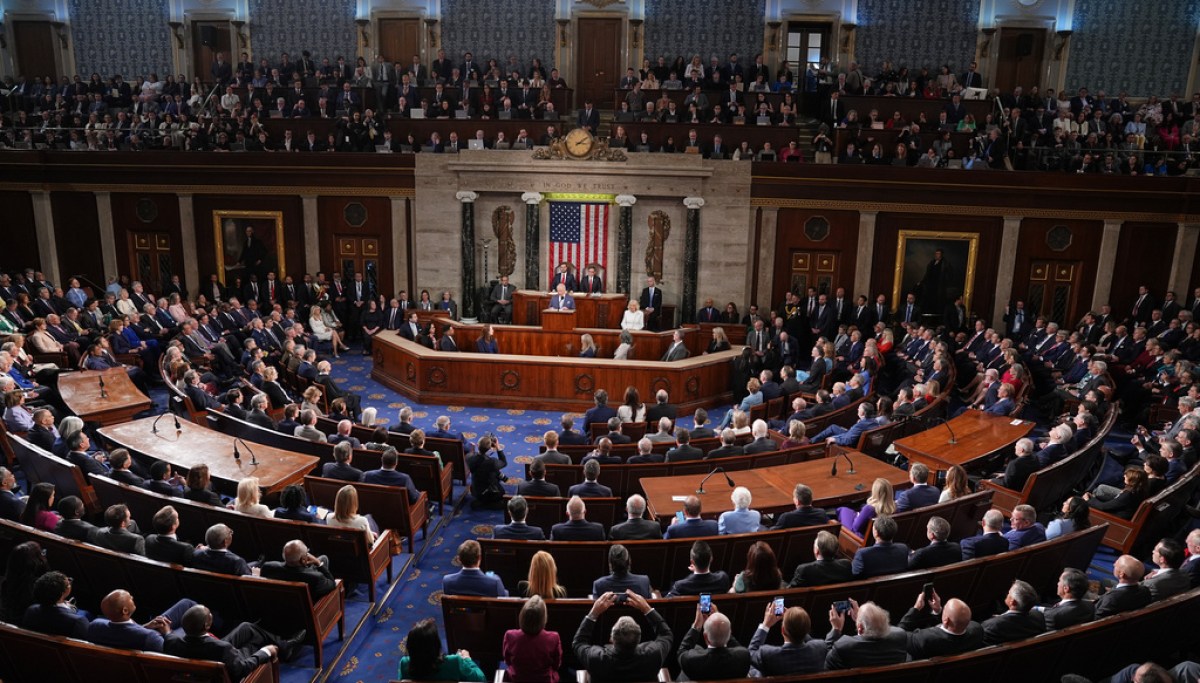
TL;DR
- The U.S. Constitution vests the power to declare war in Congress, not the president.
- Historically, presidents from Truman to Obama have expanded executive war-making powers, often without clear congressional authorization.
- The War Powers Resolution of 1973, an attempt to reassert congressional authority, has been weakened by presidential reinterpretation and legislative acquiescence.
- Recent administrations, including Trump's, have explicitly sidestepped Congress by labeling military actions as "operations" to avoid the need for war declarations.
- Congress's failure to act is often attributed to party loyalty and a reluctance to challenge the executive branch, even on critical national security matters.
- Lawmakers have provided excuses for inaction, citing private briefings over public hearings and concerns about appearing divisive to adversaries.
- The erosion of Congress's war powers represents a significant departure from the framers' vision of checks and balances.