The political path of the Cornell rape allegation
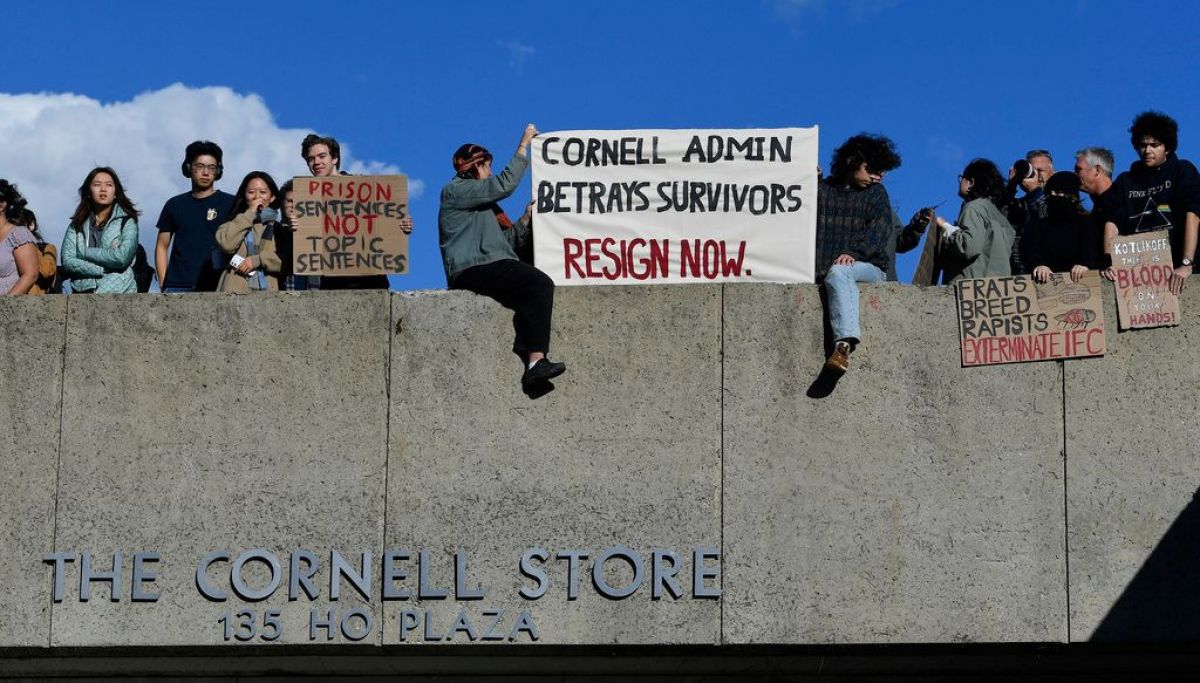
THE POLITICAL PATH OF THE CORNELL RAPE ALLEGATION. At one point, the ugly incident on the night of Oct. 19-20, 2024, at the Cornell University Chi Phi fraternity house seemed to be settled. A 20-year-old female student had accused several fraternity members of raping her in a long night of drinking, drugs, and group sex. Local police in Ithaca, New York, along with the district attorney’s office, investigated and, after interviewing the female student, concluded that her statement, supported by other accounts, “described her participation in drug use and sexual conduct as voluntary, conscious, and consensual.” No criminal charges were filed.
TL;DR
- A 20-year-old female student accused fraternity members at Cornell University's Chi Phi house of rape in 2024.
- Initial police and university investigations concluded the sexual conduct was voluntary and consensual, with no criminal charges filed.
- Cornell University expelled two students, suspended others, and banned the Chi Phi fraternity from campus for violating school policies.
- Two years later, the accuser filed a lawsuit against fraternity members, advisors, the national fraternity organization, Cornell University, a local bar, and her own sorority.
- The lawsuit claims the woman was "incapable of consent" and alleges her sorority failed to prevent her heavy drinking.
- The filing of the lawsuit led the district attorney to reopen the criminal investigation, citing a "changed story" and "community" requests.
- New York's governor appointed the state Attorney General as a special prosecutor, a move seen as politically motivated.
- Observers noted that the original evidence suggested consent, but the current political climate creates pressure to charge the fraternity members.
- The case is increasingly becoming politicized, with media narratives attempting to link the fraternity members to Donald Trump and portray the accuser as a victim standing up to him.