Name tweak could boost GLP-1 access for one in eight women suffering PMOS
Millions of women could soon have greater access to GLP-1 weight loss medications following the global effort to change the name of a hormonal condition that affects 1 in 8 women globally.
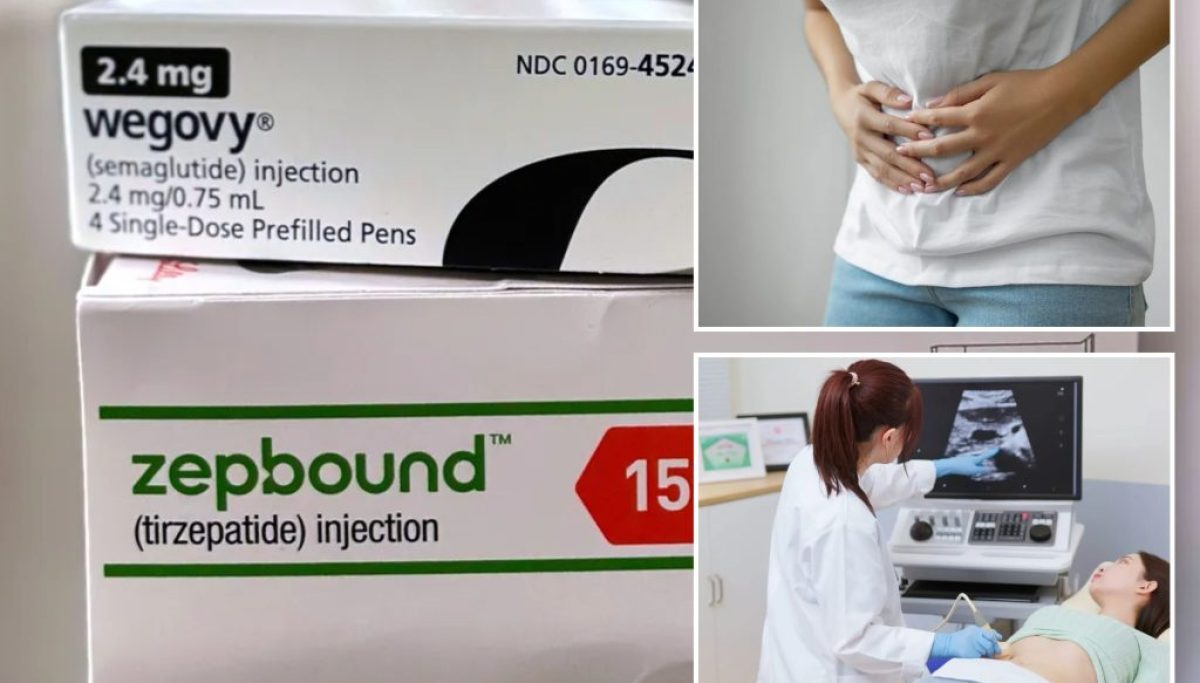
TL;DR
- The condition previously known as Polycystic Ovarian Syndrome (PCOS) has been renamed Polyendocrine Metabolic Ovarian Syndrome (PMOS) following an international effort to improve clinical care.
- PMOS affects 1 in 8 women globally and is the leading cause of infertility in the U.S., characterized by symptoms like weight management difficulties, mental health struggles, and reproductive issues.
- GLP-1 weight loss medications show promise in stabilizing insulin levels and balancing sex hormones in patients with PMOS, potentially reducing testosterone production.
- While GLP-1s are not yet directly approved for PMOS, women may gain insurance coverage for them if they have co-occurring FDA-approved conditions such as Type 2 diabetes, non-alcoholic fatty liver disease, or obstructive sleep apnea.
- The name change aims to shift focus from ovarian cysts to the underlying metabolic dysfunction, and research suggests significant weight loss with GLP-1s leads to lower testosterone levels and improved period regularity.
- Developing a singular treatment for PMOS is challenging due to symptom variability and difficulties in designing clinical trials, particularly concerning pregnancy risks.
- Patients with PMOS are advised to seek comprehensive metabolic screenings to identify co-occurring conditions that could enable insurance coverage for GLP-1 medications.