After 100 days of the deadliest Ebola outbreak, it can be stopped. Here’s how
Ebola is a disease that spreads through communities, so we need to listen to communities if we want to halt its spread
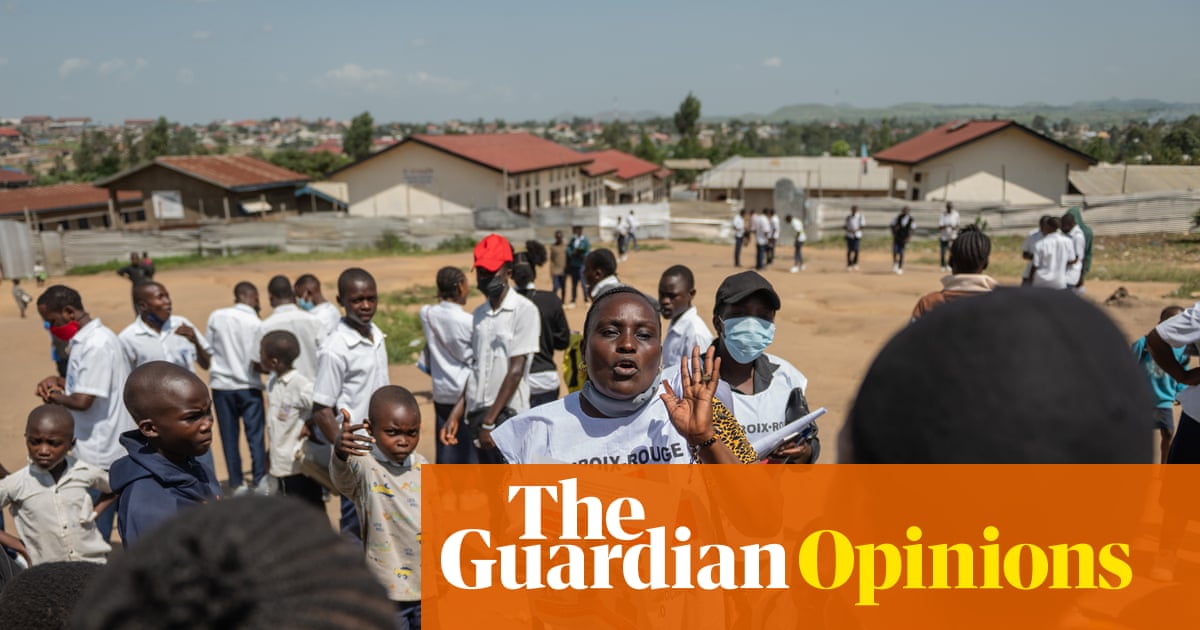
TL;DR
- Community representatives in the DRC stressed the importance of their involvement in the Ebola response, as they understand local dynamics and trust mechanisms.
- The current Ebola outbreak in the DRC has become the deadliest on record, with about 2,500 deaths, occurring amidst conflict, displacement, and fragile access to care.
- Frontline health workers, including those in laboratory teams, contact tracing, and burial services, are working under immense pressure and require protection, training, payment, and psychosocial support.
- Progress has been made through expanded surveillance, laboratory deployment, treatment support, and infection prevention, with Uganda successfully interrupting its outbreak.
- The next phase of the response must be village-centered, bringing surveillance, testing, treatment, vaccination, and community engagement closer to affected families.
- Trust is built through consistent delivery of services, such as safe transport for suspected cases, clear vaccine information, and dignified burial procedures for families who have lost loved ones.
- Health facilities need urgent protection through trained staff, protective equipment, and essential resources to prevent infections and maintain public confidence.
- Predictable and timely financing is crucial for all aspects of the response, as delayed or fragmented funding costs lives and creates gaps that Ebola exploits.
- Strong cross-border coordination and rapid information-sharing are vital due to the movement of people for various reasons.
- The priorities for ending the outbreak are to find every case, follow every contact, protect every frontline worker, and bring essential services closer to affected communities.