Do whales grieve? Rare footage of humpback alongside stillborn calf suggests they might
The behaviours we observed could represent grief, but they could also reflect maternal attachment, confusion or instinctive caregiving
TL;DR
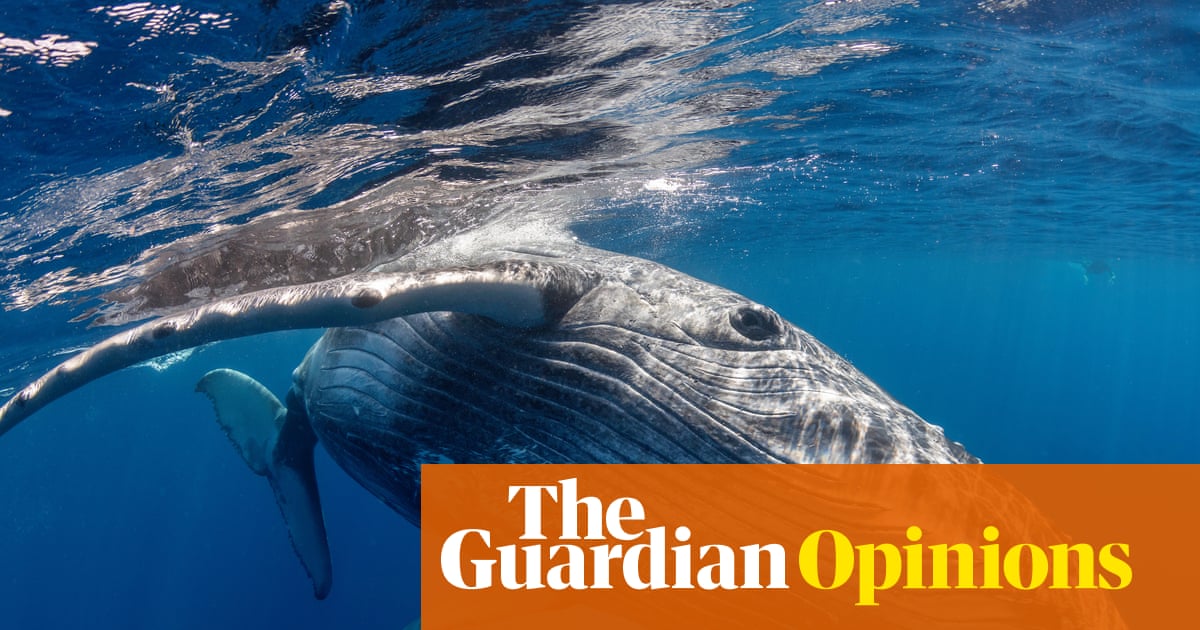
- A humpback whale mother was observed caring for her deceased newborn calf off Australia's Gold Coast, marking the first documented instance in baleen whales.
- The mother repeatedly returned to the calf, touching it gently, a behaviour known as epimeletic behaviour.
- Similar attentive behaviours towards deceased offspring have been observed in toothed whales, dolphins, pilot whales, and elephants.
- While the behaviour could indicate grief, scientists use broader terms like 'postmortem attentive behaviour' as direct measurement of emotional states is impossible.
- This observation provides crucial insight into how baleen whales cope with death and suggests their emotional lives may be more complex than previously understood.
- Observing such events is rare because newborn baleen whales often sink quickly, and whale births at sea are seldom witnessed.