Heatwaves and wildfires are setting back air quality improvements, UN finds
WMO report details extreme weather events causing climatic feedback loop with serious health consequences
TL;DR
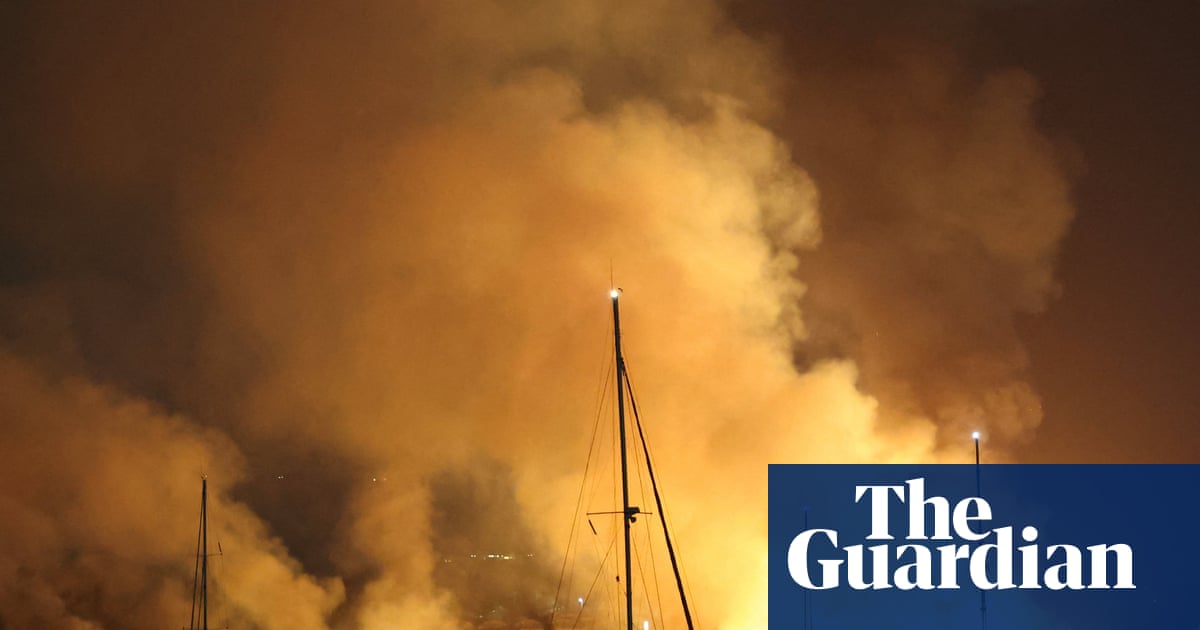
- Wildfires and heatwaves, amplified by the climate crisis, are causing significant setbacks in global air quality improvements.
- Regions previously seeing reduced pollution from industrial and vehicular sources are now facing threats from wildfire smoke and ozone pollution exacerbated by rising temperatures.
- These climate-linked pollution events contribute to further climate breakdown, forming a dangerous feedback loop.
- Wildfire smoke contains toxic substances that lead to serious health issues, including increased asthma attacks and hospitalizations.
- Ground-level ozone, intensified by heatwaves, causes inflammation, circulatory, and heart problems, contributing to a significant portion of COPD deaths in polluted areas.
- Microscopic particles (PM2.5) from various sources, including fires and fossil fuels, pose health hazards and affect climate by altering cloud properties and accelerating ice melt when deposited.
- The WMO stresses that air quality and climate must be addressed together, with the primary solution being the reduction of global greenhouse gas emissions and fossil fuel consumption.