What does Tyson’s shutdown of two US beef plants mean for grocery costs?
Meat producer closes facilities in Utah and Illinois as beef prices rise for consumers amid historic cattle shortage
TL;DR
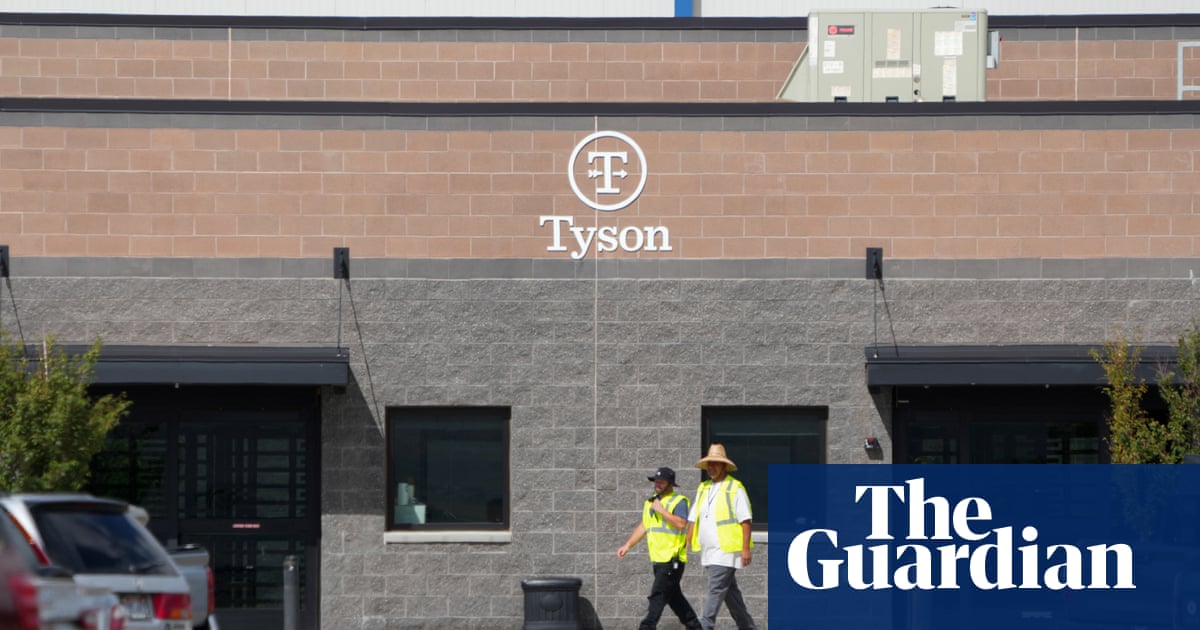
- Tyson Foods is closing two plants in Illinois and Utah and selling another in Washington state due to a historic cattle shortage.
- The cattle shortage is attributed to drought, rising costs, and consolidation among ranchers.
- Economists do not expect these closures to significantly impact consumer beef prices due to existing excess processing capacity in the US.
- Increased consumer demand for beef, partly due to a 'general protein craze' and improved quality, is a key factor in rising prices.
- Higher-income earners, benefiting from a 'K-shaped economy,' are maintaining strong demand for beef despite overall rising household expenses.
- A recent trade deal announced by Donald Trump aims to import beef at below-market prices, a move criticized by the National Cattlemen’s Beef Association.
- Broader trends of plant closures could lead to less processing capacity in the future and potentially deter cow producers from expanding.