‘People had naive expectations’: How MeToo has changed in China
On Friday, MeToo journalist Sophia Huang Xueqin was released from prison. She returns to a landscape changed by censorship, and a new generation of feminists
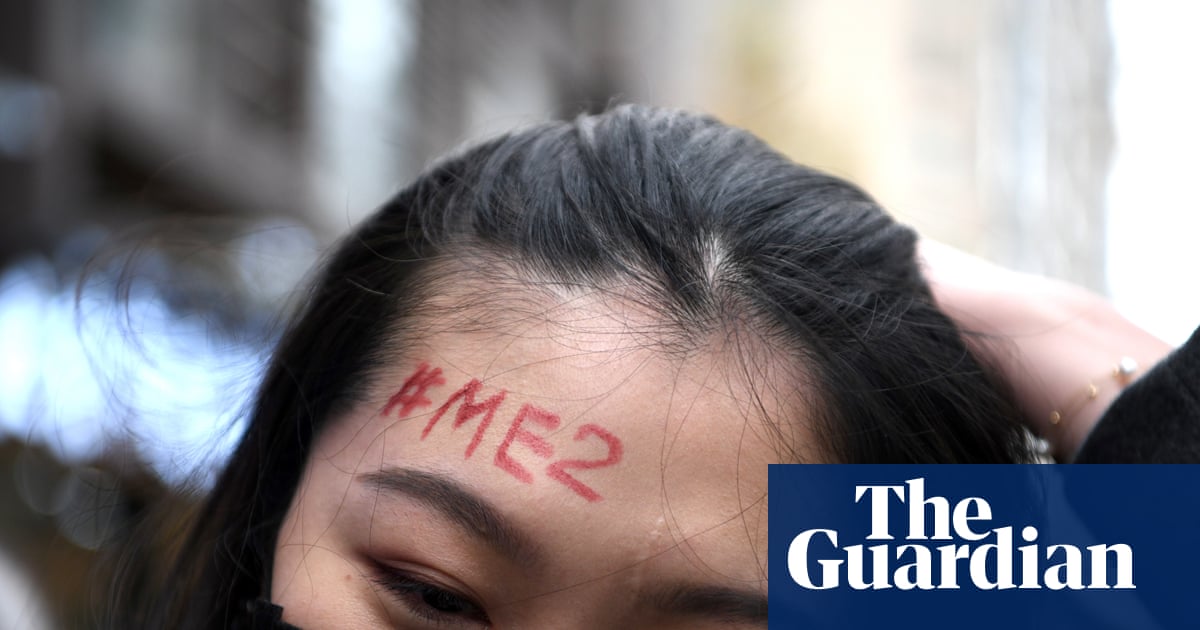
TL;DR
- The MeToo movement in China has become increasingly private due to state censorship, forcing activists to organize under the guise of art or cultural events.
- Hashtag campaigns like MeToo have been largely removed from the Chinese internet, and new feminist terms are rapidly added to censorship lists.
- Journalist Sophia Huang Xueqin, who helped ignite the movement, was released after five years in prison, returning to a significantly changed feminist landscape.
- Activists use creative methods, such as coded language and private communication channels, to discuss feminist and LGBT issues and avoid detection.
- Despite the shrinking space for public activism, the MeToo movement has raised awareness of women's rights in China and led to some policy changes in universities.