‘Ever Grateful for the Prize’
“Prize giving, if it does not degenerate into indecency, is a legitimate form of advertising.”
TL;DR
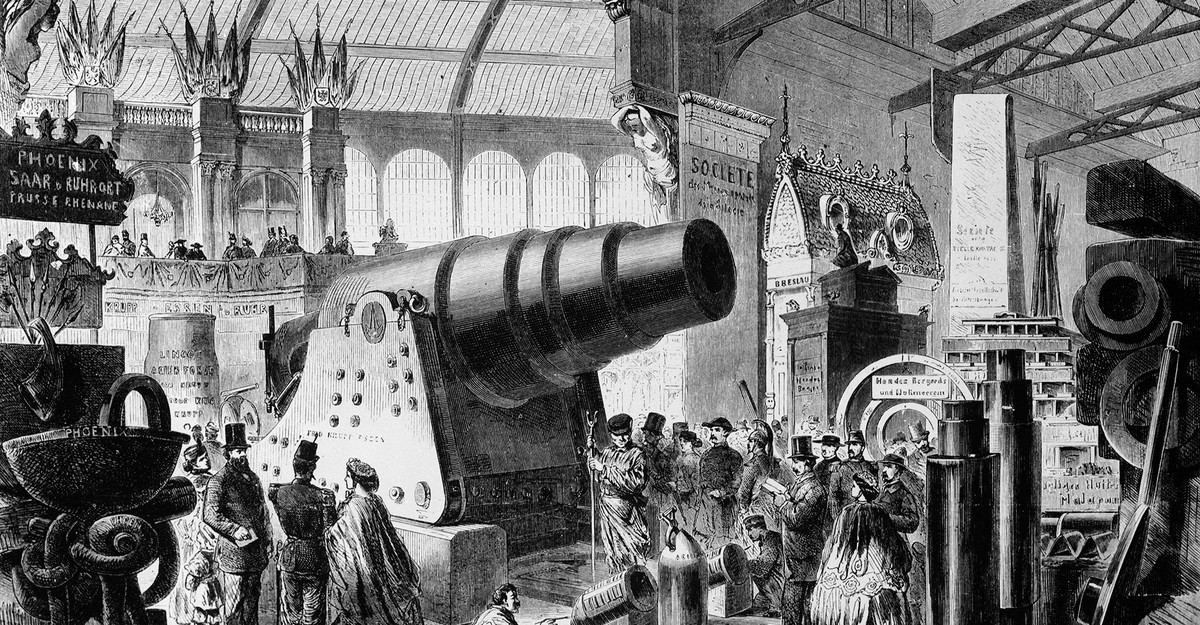
- Historical awards for destructive weapons, like Alfred Krupp's cannons, ironically proved their deadly effectiveness.
- Post-World War I, interest shifted to peace plans, though military innovation continues, as seen with a prize-winning self-loading rifle.
- Reformers often believe that offering monetary prizes can ensure positive societal change, a notion the article questions.
- Colonel Charles Lindbergh's award from the Woodrow Wilson Foundation is presented as an example of public appeal and the weight of recurrent awards.
- Oscar Wilde's belief in intellectual sympathy, rather than emotional, as a means to achieve peace through understanding is discussed.
- The article criticizes prize-giving for abstract goals like 'theoretical abolishment of evil' and 'theoretical upbuilding of good'.
- Attempts to solve societal issues, such as crime in New York or student suicides in Boston, through prize-winning essays or plays are deemed unlikely to succeed.
- The author suggests that genuine change is rarely brought about by external rewards or incentives but stems from intrinsic motives and deeper influences, referencing figures like Saint Francis of Assisi and John Wesley.