Authoritarians Are Great at Propaganda—Until They’re Not
Their cultural campaigns reveal how brittle their art can be.
TL;DR
- Authoritarian cultural campaigns are superficial and fleeting because they assume history can be created rather than learned.
- Free societies promote intellectual liberty and the belief that historical knowledge is valuable, leading to art with depth and truth.
- Soviet Communist Party propaganda, despite its visual strength, often created a chasm between its message and people's impoverished reality.
- Throughout history, governments have used art as propaganda, such as Woodrow Wilson's Committee on Public Information and Franklin D. Roosevelt's War Advertising Council.
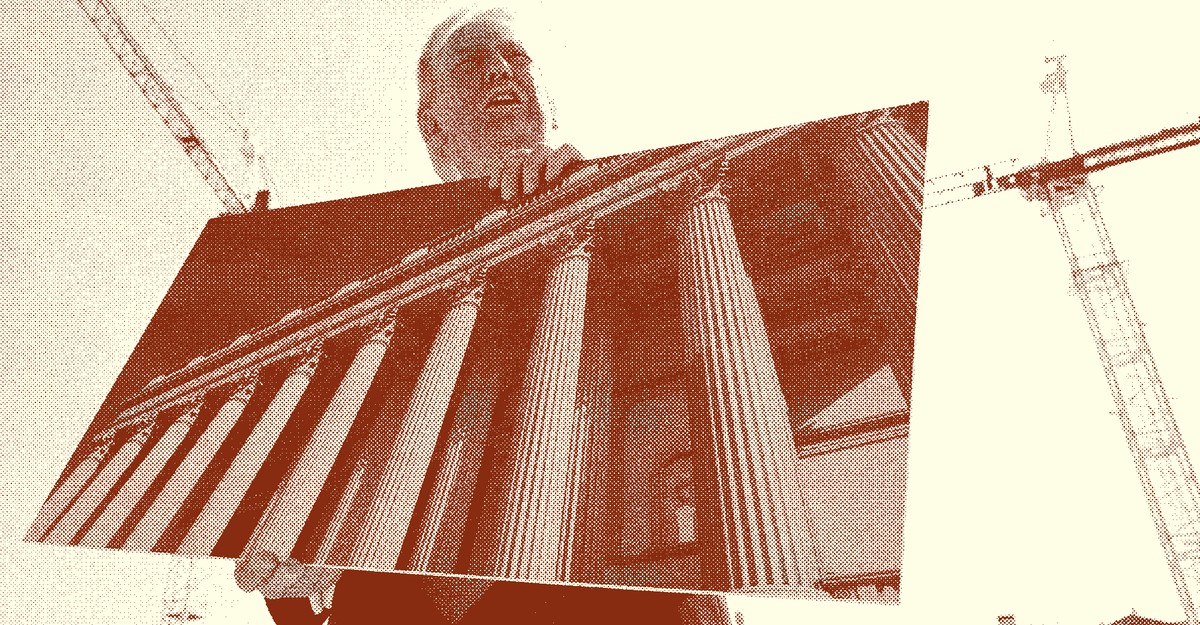
- Donald Trump's administration engaged in overtly distinct cultural campaigns, emphasizing size, gilt, and jingoism in architecture and design.
- Attempts to censor museums and remove 'improper ideology' or 'divisive narratives' from cultural institutions have been made, with mixed results.
- The influence of the Trump administration over American art and museums has limits, with artists canceling shows and some exhibits resisting political influence.
- The enduring nature of free expression is tested by political opposition, and the Trump era represents a significant challenge to its resilience.