20 fascinating facts about hair: why baldness is super-masculine
Judy Wearing has spent much of her life studying our follicles. She explains how our armpits betray our emotions, why some gentlemen really do prefer blondes and the reason we evolved to have eyebrows
TL;DR
- Hair evolved approximately 245 million years ago with cynodonts for insulation and sensory input.
- Hair growth is an evolutionary modification of scale growth in reptiles, both made of keratin.
- Hair is formed from fused dead keratin cells pushed out from the follicle.
- Mammary glands in mammals evolved from certain hair follicle glands.
- Humans have the same number of hair follicles as chimpanzees, but human hairs are generally thinner.
- Terminal hairs in 'strategic locations' like eyebrows, armpits, and groin have logical functions.
- Eyebrows protect eyes and communicate social signals; their shaping can imply submissiveness.
- Botox use for brows can impair emotional mimicry and empathy, but is being studied for depression treatment.
- Armpit and body odor broadcast social and chemical information.
- Facial hair in men likely evolved for competition and dominance signaling, possibly offering jaw protection.
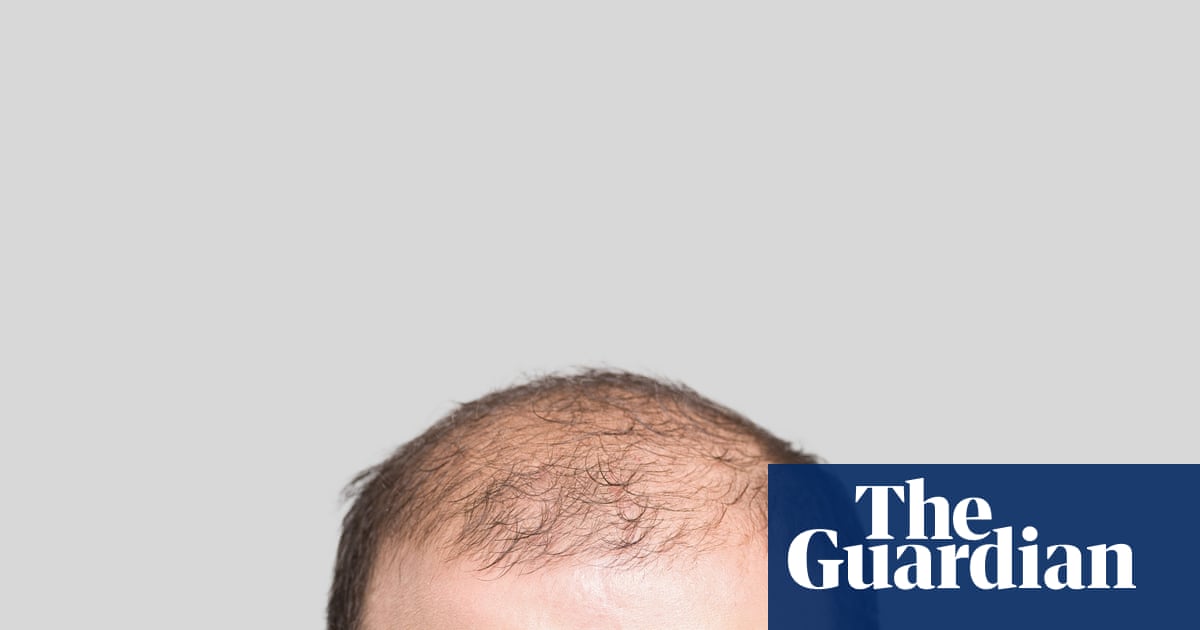
- Balding is a common, natural phenomenon and an expression of masculinity, regulated by hormones.
- Hair length and health can indicate age and health status, influencing mate selection signals.
- Hair follicles contain stem cells that aid in skin regeneration and repair.
- Hair styling, including braids, buns, wigs, and dyes, has a long history across cultures and social classes.
- Blond hair has historical associations with sexuality and desirability, evolving possibly to increase Vitamin D production.
- Hair removal and styling can be tools of expression, oppression, and control, signifying identity or lower status.
- The purpose of pubic hair remains debated, with theories suggesting it collects scents to communicate mate activity.