Deepfakes are wrecking influencers’ credibility, one fake ad at a time
Guardian journalism is independent. We earn a commission if you buy something through an affiliate link. Learn more.
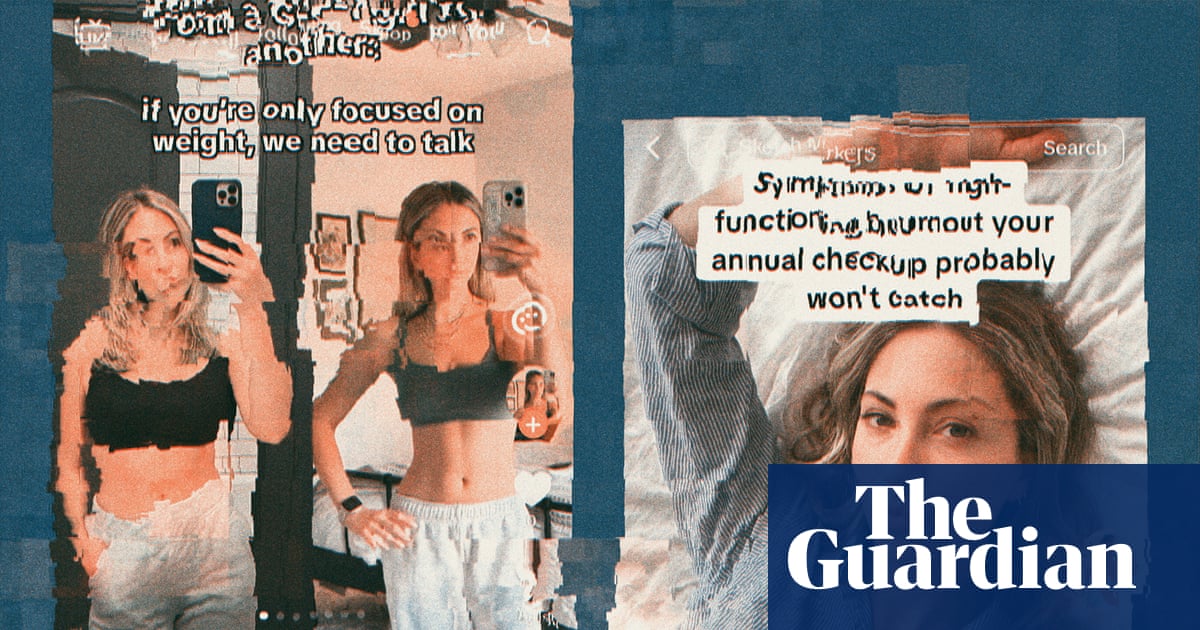
TL;DR
- Influencers are being impersonated by AI-generated deepfakes used in unauthorized sponsored content.
- These deepfakes can significantly harm an influencer's brand credibility and income.
- Generative AI makes creating convincing deepfakes easier, supercharging impersonation scams.
- Celebrities and influencers are easy targets due to the large amount of online data available for AI training.
- Scammers use deepfakes to promote fraudulent products or trick fans into sending money.
- Some brands may also be using AI to generate marketing content, blurring lines with deepfakes.
- Influencers like Emily Schuman and Molly Tranchin have experienced unauthorized use of their likeness in deepfake ads.
- Legal action and platform reporting are primary methods for influencers to combat deepfakes, but often with limited success.
- Social media platforms face criticism for insufficient measures to prevent deepfake scams and for profiting from them.
- The proliferation of deepfakes challenges the trust inherent in the influencer marketing model.