World must change way it produces food to avoid biodiversity collapse, says WWF
Recovery of tigers, tuna and green sea turtles show nature loss can be reversed when action taken, charity says
TL;DR
- Global vertebrate wildlife populations have declined by an average of 73% since 1970.
- Nature loss poses a direct threat to the global economy, with about half of global GDP depending on nature and its ecosystem services.
- Tropical regions, particularly Latin America and the Caribbean, have seen the sharpest declines in wildlife populations.
- Freshwater wildlife has suffered the most severe losses across all ecosystems.
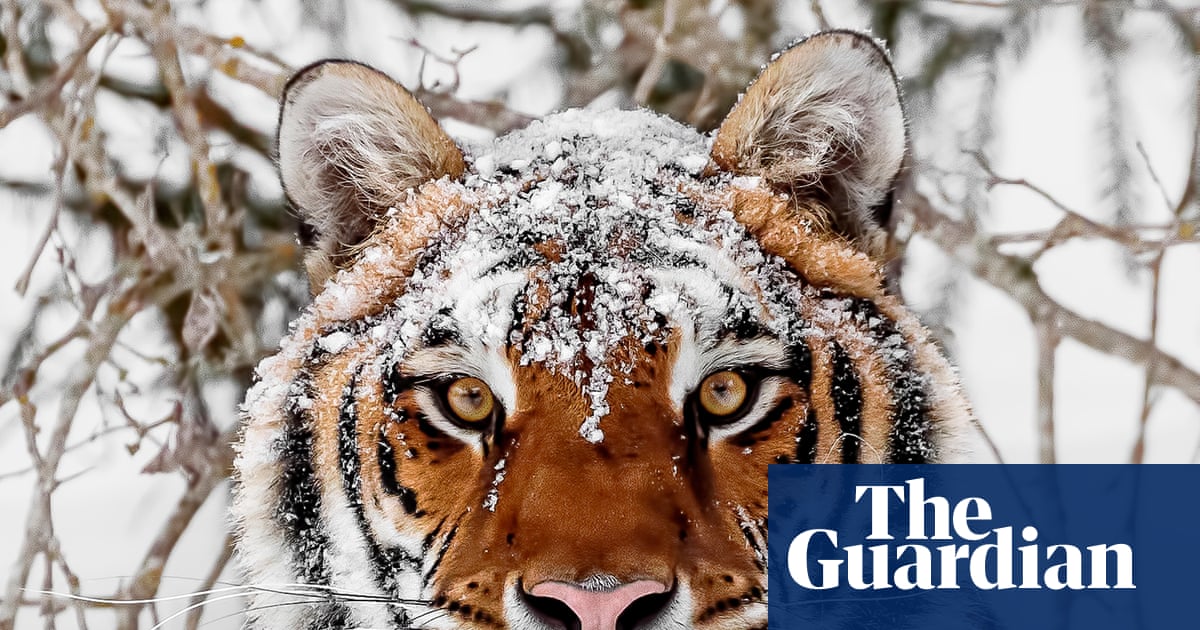
- Successful conservation efforts have led to the recovery of wild tigers, Atlantic and Pacific bluefin tuna, and green sea turtles.
- Transforming energy, food, and finance systems is essential to reverse nature loss.
- The energy sector has already passed a "positive tipping point" with the adoption of renewable energy.
- Food production is identified as the next crucial area for a "positive tipping point" to prevent biodiversity collapse, as agriculture is a major driver of habitat loss and greenhouse gas emissions.