‘They didn’t know or care, or wouldn’t say’: how we investigated the casualties of a covert US war
When a large number of children were killed during a US drone strike in Somalia last year, two reporters collaborated to piece together what happened
TL;DR
- Underreporting of military conflicts stems from press freedom restrictions, safety risks for journalists, lack of resources, and the tendency to prioritize geopolitical over civil conflicts.
- An investigation by The Guardian into a US airstrike in Somalia that killed 12 civilians, including eight children, exemplifies efforts to highlight underreported conflicts.
- Reporting on the Somalia conflict is difficult due to restrictions on journalist access to areas controlled by al-Shabaab and limited internet access for civilians.
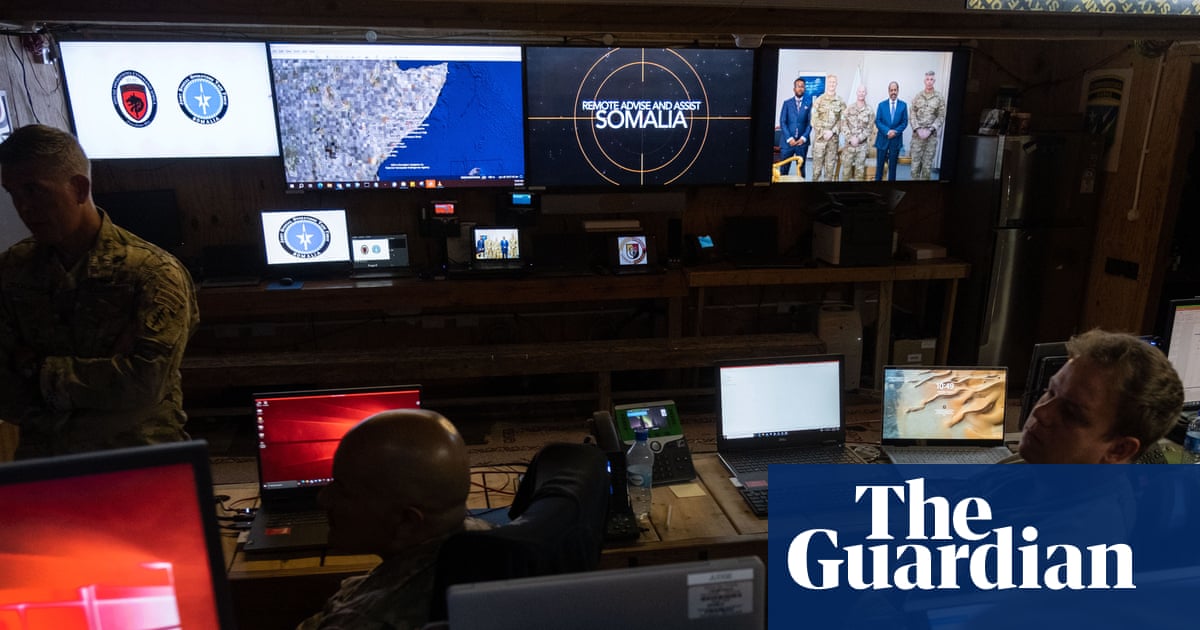
- The US military's campaign in Somalia is described as opaque, with no official information released about operations or civilian casualties.
- Collaboration between international news organizations and local journalists is crucial for accurate and authentic reporting, though approaches vary among media outlets.
- Investigative reporting on covert operations requires piecing together disparate sources, overcoming the absence of official records, and challenging authorities with findings.
- Clan elders played a key role in connecting the journalist with victims' families in Somalia, facilitating survivor testimonies.
- Survivors' accounts provide crucial, albeit harrowing, details about the impact of drone strikes on civilians.
- The US Department of War and the White House did not respond to detailed questions about the Somalia airstrike, highlighting a lack of transparency.
- Readers have shown willingness to engage with reporting on complex and underreported conflicts, as demonstrated by responses to coverage of Sudan and the DRC.