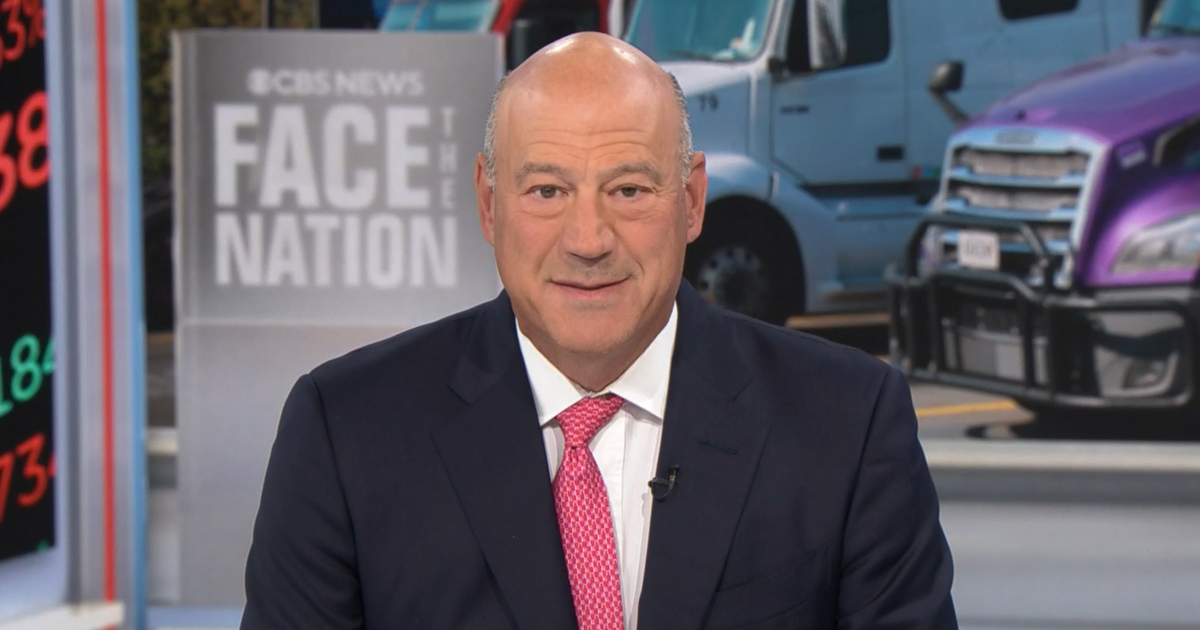
IBM Vice Chairman Gary Cohn on "Face the Nation with Margaret Brennan," Sept. 20, 2026
Updated on: September 20, 2026 / 2:52 PM EDT / CBS News
TL;DR
- Consumers are primarily concerned about high energy prices, including gasoline and diesel, which affect their daily lives and the cost of food and transportation.
- Despite negative consumer sentiment regarding inflation and AI, key economic indicators such as GDP, employment, and consumer spending remain strong.
- Real wages have turned negative, meaning wage growth is not keeping pace with inflation, leading to reduced purchasing power, although consumers are using savings to maintain spending.
- The Federal Reserve unanimously decided to hike interest rates by 25 basis points to address inflation, which is currently around 2-3%.
- The rate hike is intended to slow consumer demand by increasing borrowing costs, though inflation is largely supply-driven.
- The yield curve technically flattened after the rate hike, with short-term rates increasing and long-term rates decreasing or staying the same.
- Ultimately, Congress needs to cut spending, and corporate debt issuance is also high, alongside government debt.