From ‘old people music’ to owning the streets: 60 years of Notting Hill carnival and me
As a child, being taken to the Caribbean celebration was a drag. But once sound systems arrived in the 1970s, it became an unmissable yearly pilgrimage offering a sense of freedom
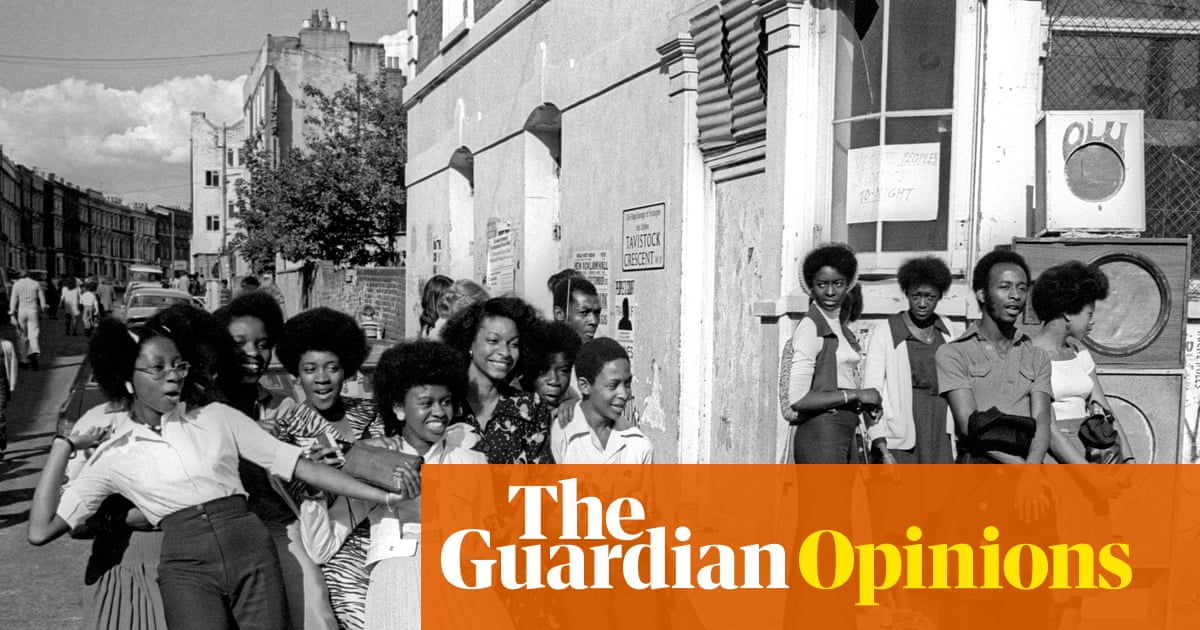
TL;DR
- The Notting Hill Carnival, in its early years (1960s), was seen as a chore by the author as a child, involving following steelbands.
- The arrival of London sound systems in the 1970s revolutionized the carnival, making it appealing to the youth by playing contemporary reggae, lovers rock, soul, and funk.
- Sound systems provided a static point where attendees could enjoy music without constant movement, fostering a sense of freedom and control.
- The event became a crucial space for the post-Windrush generation to express their Blackness and enjoy their own culture in London.
- Increased policing and regulation after the 1976 riot led to a reduction in the carnival's spontaneous and joyful anarchy, making it feel more controlled.
- The carnival is now experiencing a regeneration, with a new generation bringing back elements of joyful anarchy and spontaneity.
- In its early days, the carnival offered a rare opportunity for Black people to be visible and enjoy themselves freely in London, free from harassment.
- Revellers in the 1970s often prepared their own refreshments and drinks to avoid inflated prices and enjoy the extended celebrations.
- The expansion of the carnival's area, with sound systems setting up in gardens and streets, contributed to its vibrant atmosphere and sense of community takeover.