U.S. sanctions International Criminal Court, vowing to dismantle it "brick by brick" without changes
Updated on: October 9, 2026 / 4:40 PM EDT / CBS News
TL;DR
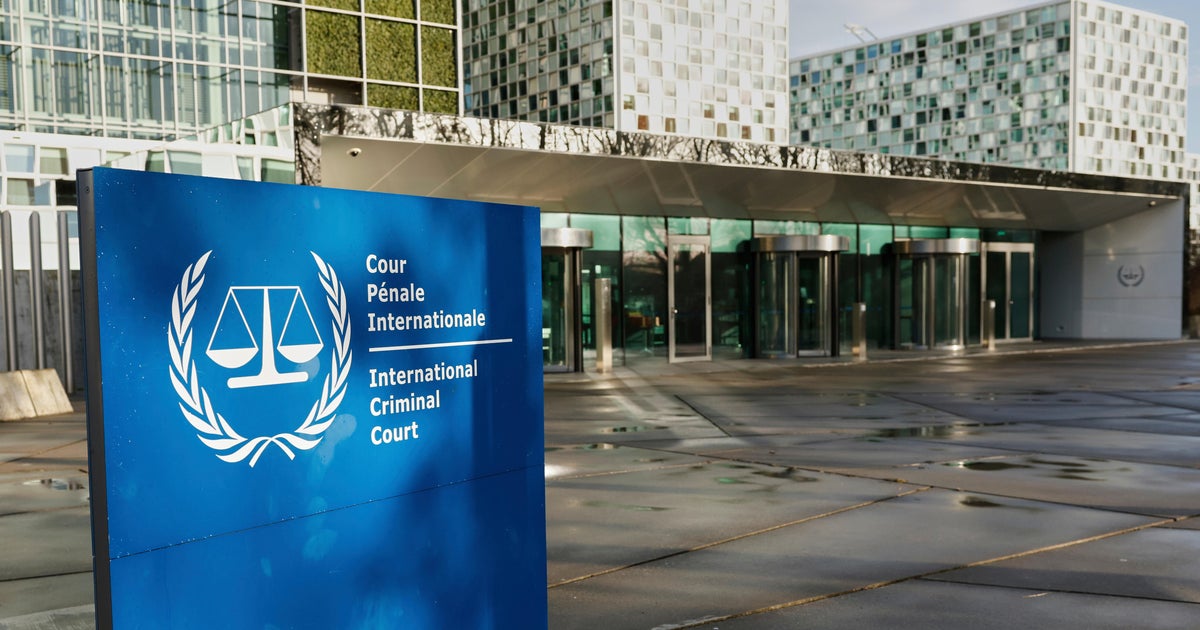
- The Trump administration has imposed new sanctions on the International Criminal Court (ICC).
- Secretary of State Marco Rubio stated the U.S. will end the ICC if it doesn't change its course, vowing to dismantle it "brick by brick".
- The sanctions target the court itself, following previous measures against its judges and prosecutors.
- The move occurred hours after Navanethem Pillay, a former ICC judge, was awarded the Nobel Peace Prize.
- Pillay led a U.N. inquiry that found Israel committed genocide in Gaza, a finding Israel disputes.
- The U.S. and Israel are not parties to the Rome Statute that established the ICC.
- Washington opposes the ICC's investigations into alleged war crimes by U.S. personnel and its arrest warrants for Israeli leaders.
- The ICC maintains its jurisdiction over crimes committed on its territory, regardless of the accused's nationality.
- Rubio has criticized the ICC as "fatally politicized" and having "maliciously abused its authority."
- The sanctions block ICC assets under U.S. jurisdiction and bar U.S. entities from doing business with the court, with a 180-day grace period for certain operations.
- The ICC condemned the sanctions as an "assault on the rule of law" and an attempt to interfere with its work.
- ICC President Tomoko Akane stated the court will continue to discharge its mandate independently and impartially.
- The court has appealed to its 125 member states for support, warning that its future depends partly on them.
- U.S. allies, including Canada, Japan, Australia, and most European NATO members, expressed regret and strong disagreement with the U.S. sanctions.
- Israeli Prime Minister Benjamin Netanyahu's office criticized the Nobel Committee's decision to award Pillay the Peace Prize, calling her a "bigot."