Brutal and emboldened: how Nigeria’s bandit crisis spun out of control
Conflicts over land and resources have deepened owing to climate breakdown, deforestation and population growth
TL;DR
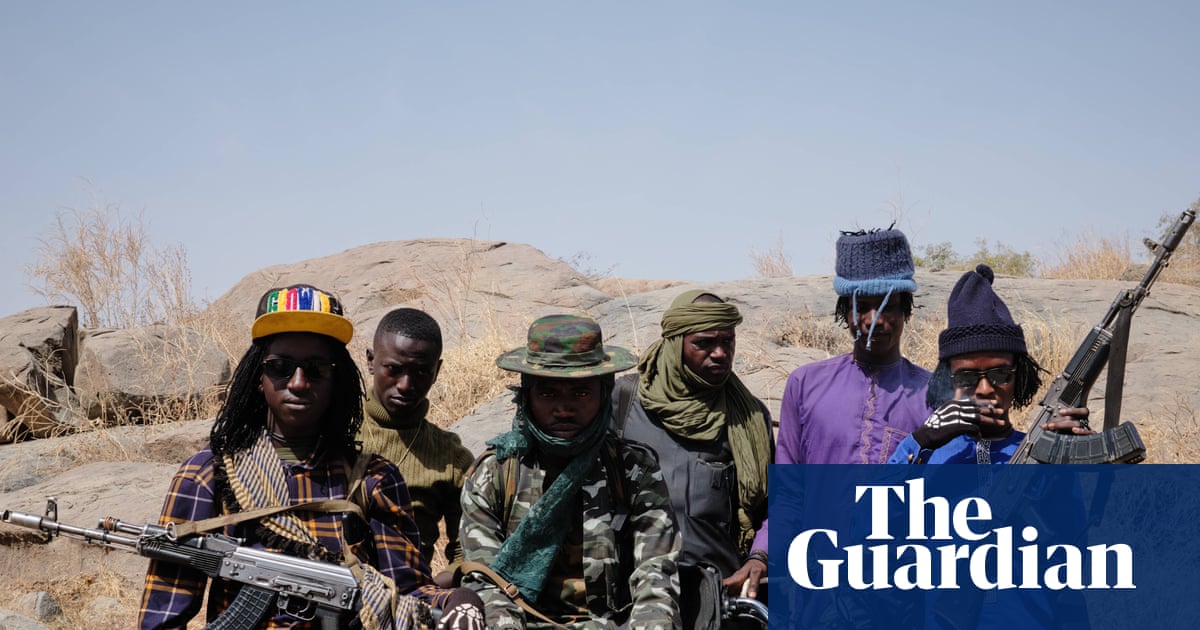
- Armed criminal groups, referred to as bandits, operate in northern Nigeria, engaging in kidnapping, killing, and cattle rustling.
- The crisis is rooted in farmer-herder conflicts over land and resources, intensified by climate change, deforestation, and population growth.
- Recruits are primarily ethnic Fulani herders, who have become prominent non-state actors in the region.
- The violence pits Muslim against Muslim in the north-west, while in the north-central region, it involves Fulani militia and vigilante groups in largely Christian settlements.
- A lack of state presence in large areas of the country allows non-state actors to establish control and operate with impunity.
- Terrorism-related deaths in Nigeria have seen a significant increase, with banditry being a major contributor.
- Bandit leaders cite government corruption and unfulfilled promises as grievances, contributing to their actions.
- The lines between opportunistic banditry and ideological jihadism are blurring, with hybrid insurgencies emerging.
- Bandits display impunity, with younger members sharing loot on social media and older leaders influencing political circles.
- Communities have attempted to negotiate truces with gangs due to ineffective government intervention.
- The lack of education and understanding of legal systems is cited as a reason for resorting to violence over disputes.