From Black Soldier Flies to Mealworms: Farming Insects for Food, Fodder and Fertilizer in Uganda
Cultivating the nutritious bugs means families can raise livestock and enrich their own food, while lowering pressures on the land
TL;DR
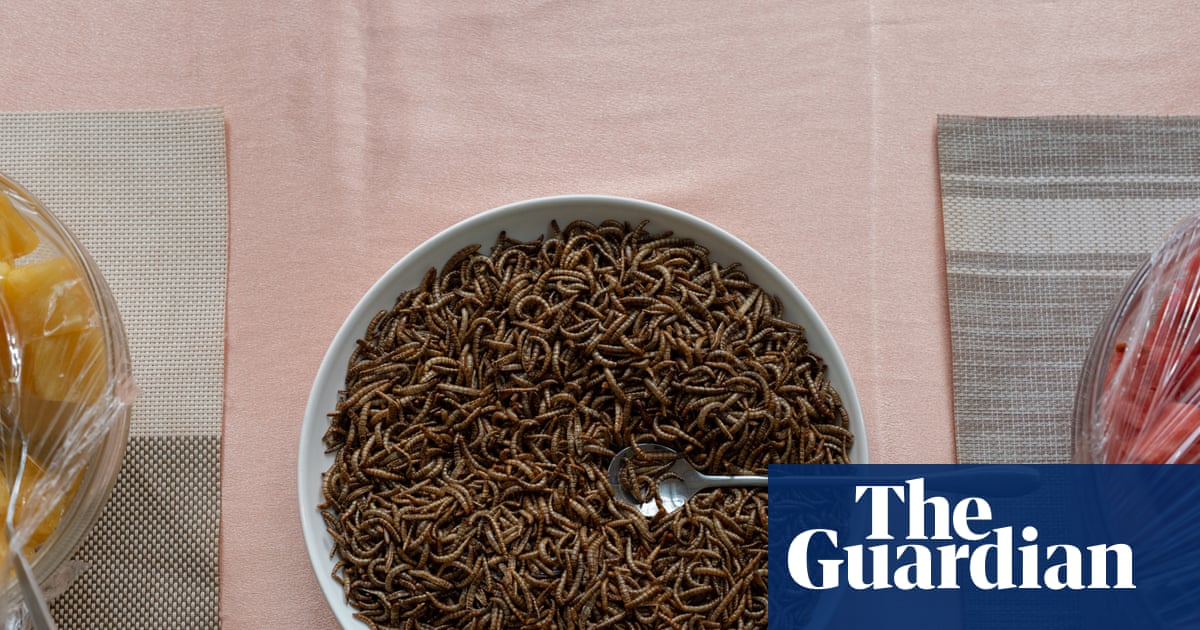
- Refugees in Uganda's Kyaka II settlement are farming insects like black soldier flies, crickets, and mealworms.
- Insect farming provides a sustainable source of protein for families and their chickens and fish.
- Insect frass (excrement) is used as a natural fertilizer for crops.
- The practice requires less space and water than conventional livestock farming.
- Projects like Refugee Insect Production for Food and Feed (RefIPro) are training and supporting farmers.
- Insect farming initiatives are being integrated into schools, with trials showing positive nutritional and growth benefits for children.
- Challenges include sourcing sufficient organic waste, especially in food-insecure settings.
- Commercial ventures like Kollekt Village and Bioconvision are using insect farming to manage organic waste and produce animal feed and fertilizer.
- The global market for insects as food and animal feed is projected to reach $8 billion by 2030.
- Insect farming can reduce reliance on conventional feed ingredients like soya meal and fishmeal, easing pressure on land and marine ecosystems.
- There is a call to integrate insect farming into Uganda's broader agricultural system, linking waste management, livestock, and food security.