‘We built this land’: descendants of enslaved people are reclaiming their history across South Africa’s vineyards
Slavery was integral to the country’s wine industry. Now a handful of wineries are addressing its legacy and righting the wrongs of the past
TL;DR
- The South African wine industry was historically dependent on enslaved labor, with enslaved people comprising about 80% of "coerced" workers by the 1820s.
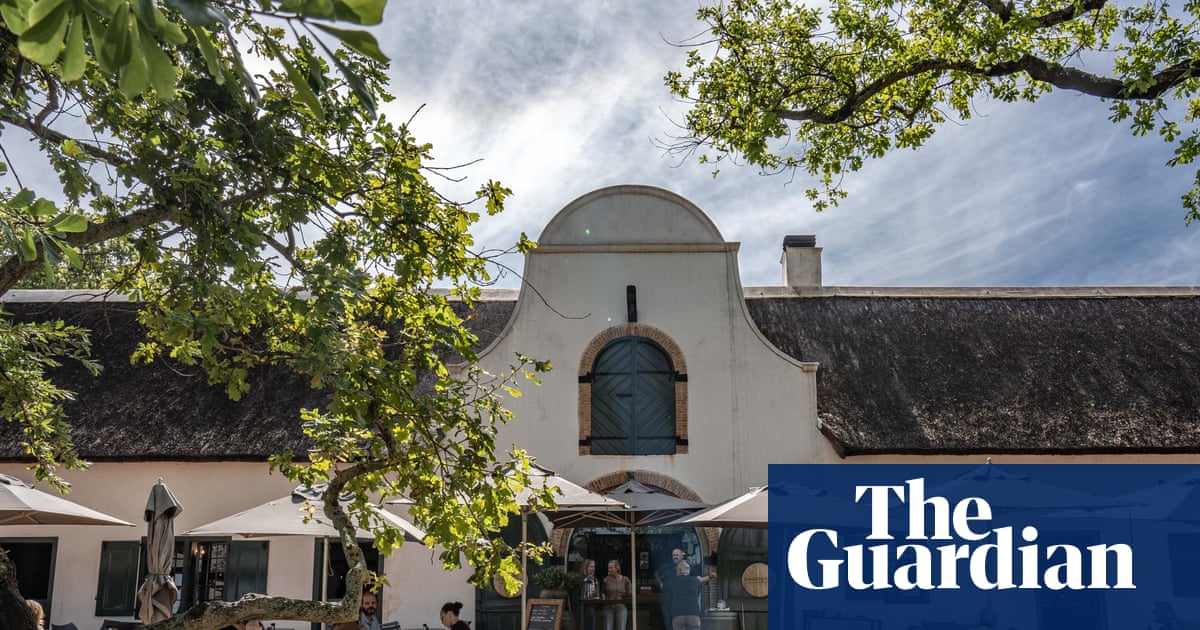
- Groot Constantia, the oldest wine farm in South Africa, features a museum detailing the history of slavery on the estate and acknowledging the contributions and suffering of enslaved people.
- Despite acknowledging history, Groot Constantia faces criticism from unions and workers' rights groups over the eviction of families and the present conditions of farm workers.
- Solms-Delta, another estate, attempted to address historical inequalities by empowering workers through trusts and land ownership, but the farm is currently not operating due to government intervention and financial issues.
- Industry leaders acknowledge that slavery left deep social and economic inequalities that need to be addressed alongside conversations about dignity and fair treatment in the workplace.