Brazil’s vast iron mine that supplies the world and fractures the Amazon
The Grand Carajás project has made the country a mining superpower, but communities living in its shadow face pollution, displacement and silenced histories
TL;DR
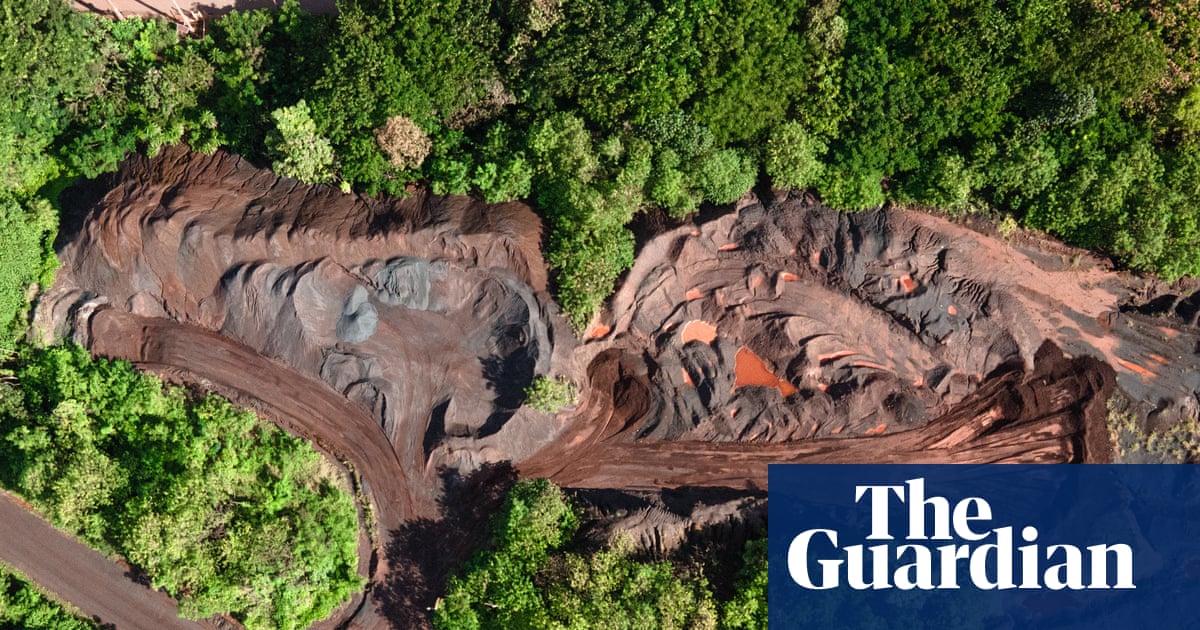
- The Grand Carajás project is a vast mining and infrastructure complex in Brazil's Amazon, centered on the world's largest high-grade iron ore reserve.
- The project has made Brazil a global mining power, with Vale exporting millions of tonnes of iron ore annually, mostly to China.
- Vale is also expanding into copper production to meet global demand for use in renewable energy and technology.
- Launched in 1982 under Brazil's military dictatorship, the project aimed for 'national integration' but has been criticized as an 'imperial' development model implemented without community consent.
- The Carajás railway, connecting the mines to the port, has led to displacement and environmental issues in areas like Marabá and Açailândia.
- Communities such as Piquia de Baixo have suffered from pollution, land conflicts, and violence, with residents being relocated due to mining pollution.
- Indigenous groups, like the Gavião Akrãtikatêjê, have also been historically affected, facing displacement and loss of cultural heritage.
- Residents near the railway line face issues with animal deaths and lack of compensation, with trains passing frequently and carrying goods like soya.
- The project's development model echoes the dictatorial era, repressing resistance and imposing a top-down approach in the Amazon.
- Modern consumer goods, from planes to refrigerators, originate from Carajás, highlighting its global economic significance.