The FAIR Labels Act isn’t fair. It’s a red flag for food innovation
In 1865, British lawmakers passed the “Red Flag Act,” requiring a man carrying a red flag to walk in front of every horseless carriage. The horse-and-buggy economy feared the emerging steam-powered automobile industry, so the future was legally forced to move at walking speed.
TL;DR
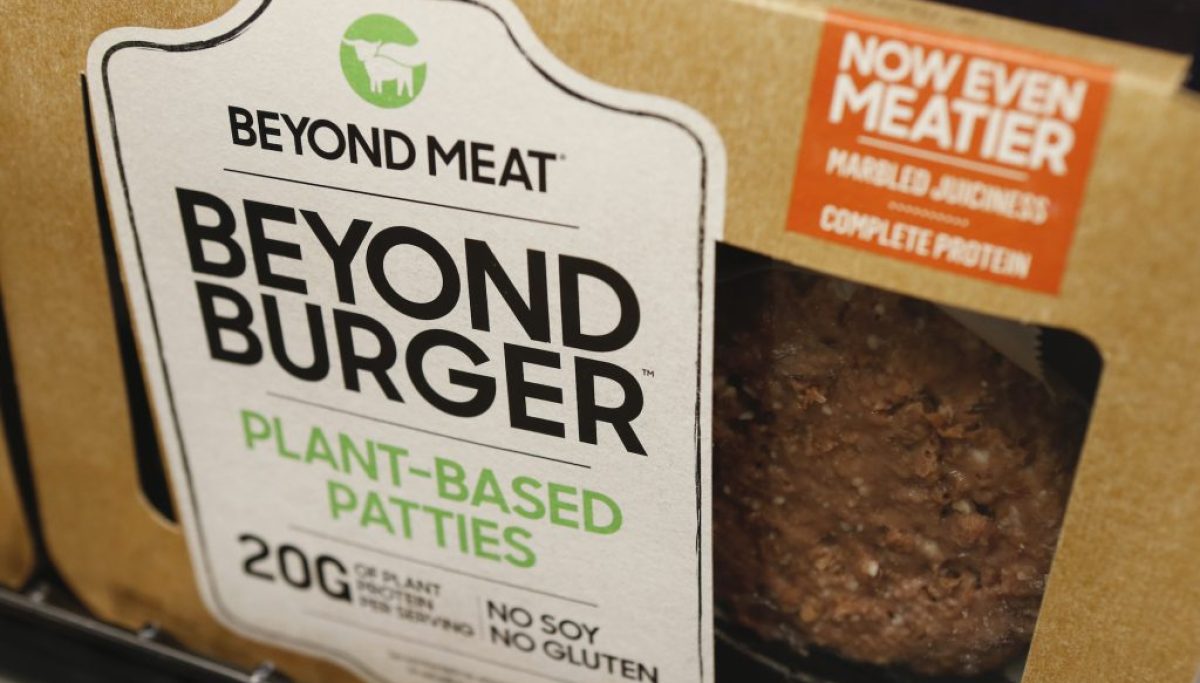
- The FAIR Labels Act of 2026 aims to label alternative proteins with unappetizing terms, which critics argue is an attempt to protect the livestock industry from competition.
- The article compares the act to historical instances like the Red Flag Act and margarine regulation, suggesting that attempts to slow down innovation through legislation are ultimately unsuccessful.
- Consumers are aware of the origins of plant-based foods and choose them for various reasons, including health, ethics, and environmental concerns, not due to confusion.
- The bill's sponsor, Sen. Pete Ricketts, openly stated his goal is to 'protect Nebraska beef,' highlighting the protectionist nature of the legislation.
- The article suggests that instead of suppressing competitors, the livestock industry should adapt and invest in alternative protein markets, as many large meat manufacturers are already doing.