How Labor Day Became Government Day
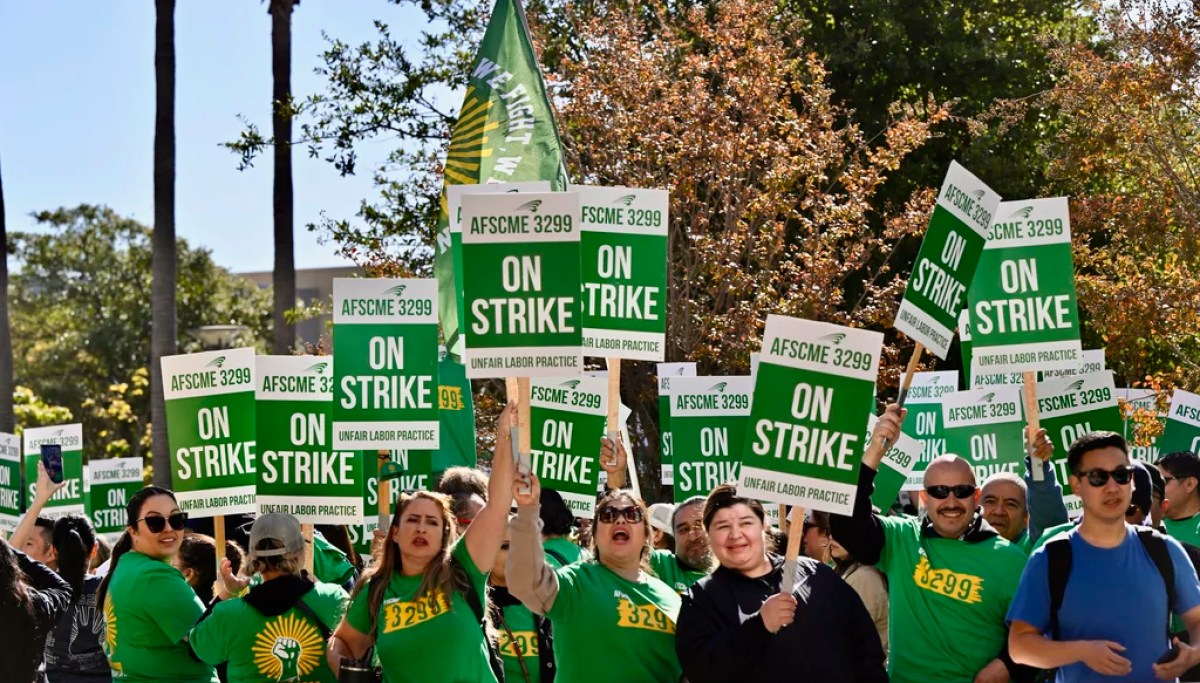
When the American Federation of Labor pushed to make Labor Day a national holiday in 1894, it promoted the occasion as a celebration of “all wage workers,” not merely union members. More than a century later, however, the labor movement has been hijacked by government unions whose political agenda puts public-sector pay and job security ahead of private-sector job creation and economic growth.
TL;DR
- Government unions have shifted the focus of Labor Day from all wage workers to prioritizing public sector interests.
- Government unions often oppose private sector investments like data centers, while private sector unions support them.
- Government unions advocate for higher taxes and utilize environmental regulations as bargaining tools.
- Collective bargaining in the public sector is seen as a hindrance to efficient government services and fiscal flexibility.
- States with restrictions on public sector collective bargaining have experienced faster population growth.
- The author calls for an end to collective bargaining for federal employees and encourages states to follow suit.