How Iran has used the strait of Hormuz to throttle oil and gas
The Tehran regime has weaponised geography in retaliation for the attacks by the US and Israel
TL;DR
- Global oil markets have experienced significant price swings due to the conflict with Iran impacting the Strait of Hormuz.
- The Strait of Hormuz is a critical global trade artery for oil and gas, shipping over 20 million barrels of oil daily.
- Iran has threatened to disrupt shipping through the strait in retaliation for US-Israeli strikes, causing a halt in tanker traffic.
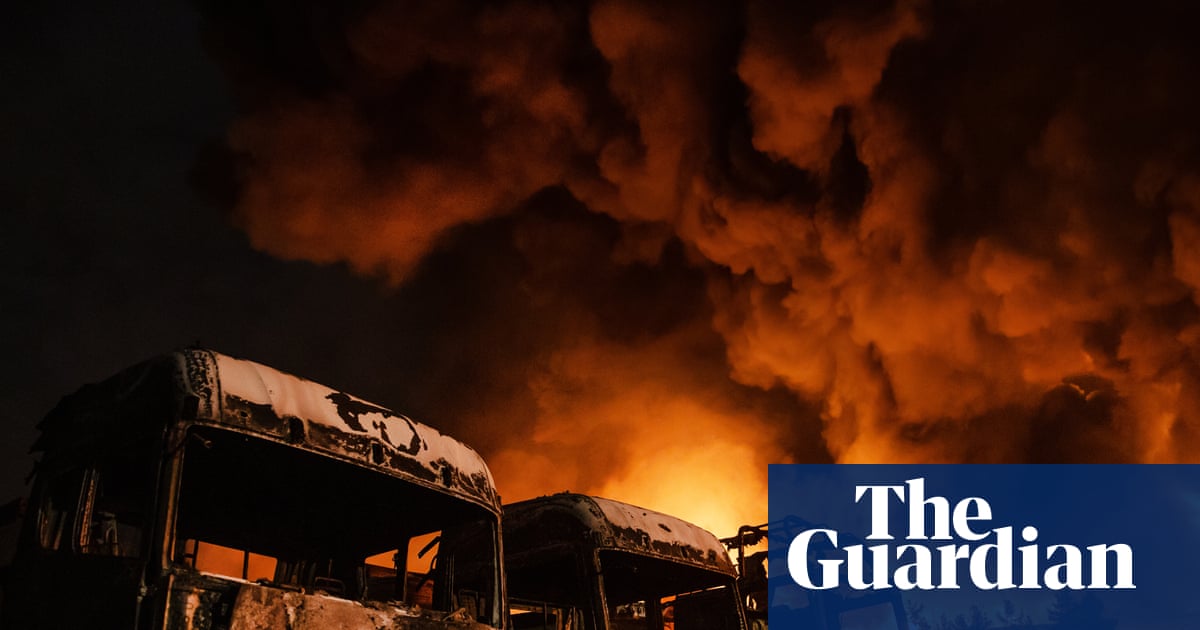
- Strikes on oil and gas infrastructure in Iran, Saudi Arabia, and Qatar have further compounded fears over supply disruption.
- Oil storage facilities in Saudi Arabia, UAE, and Kuwait are nearing capacity, potentially leading to oilfield shutdowns.
- Qatar's energy minister predicts Gulf energy exporters may shut down production within weeks if the disruption continues, leading to potential price hikes to $150 a barrel.
- China is the largest buyer of crude from the Strait of Hormuz and has amassed significant crude reserves, making it prepared for the crisis.
- Other countries like Pakistan, Bangladesh, and India are highly reliant on Middle Eastern gas and are implementing fuel conservation measures.
- G7 leaders met to discuss rising energy prices, with Brent crude briefly climbing above $100 a barrel before falling amid speculation of a swift end to the conflict.