America's First Monument is a Lesson in Honoring Our Warriors
In 1776, for the country’s first act of commemoration, the Continental Congress shipped Benjamin Franklin off to Paris with 300 pounds sterling for the proposed Gen. Richard Montgomery monument. Franklin hired Jean-Jacques Caffieri, and, under his chisel, the marble grew into an altar overflowing with Greco-Roman and Biblical symbols. The monument now decorates the facade of St. Paul’s Chapel, a short walk from the World Trade Center site.
TL;DR
- The Continental Congress commissioned the Gen. Richard Montgomery monument in 1776, with Benjamin Franklin overseeing its creation in Paris.
- The monument, now at St. Paul's Chapel, features Greco-Roman and Biblical symbols illustrating sacrifice and transcendent accomplishment in war.
- General Montgomery died in 1775 during an attack on Quebec, leading his men in a difficult battle.
- The monument's design includes symbols of military death, such as a cypress branch and broken sword, and symbols of the Revolution, like a liberty cap and pole.
- An inscription highlights Montgomery's patriotism, enterprise, and perseverance, emphasizing the importance of honoring fallen soldiers.
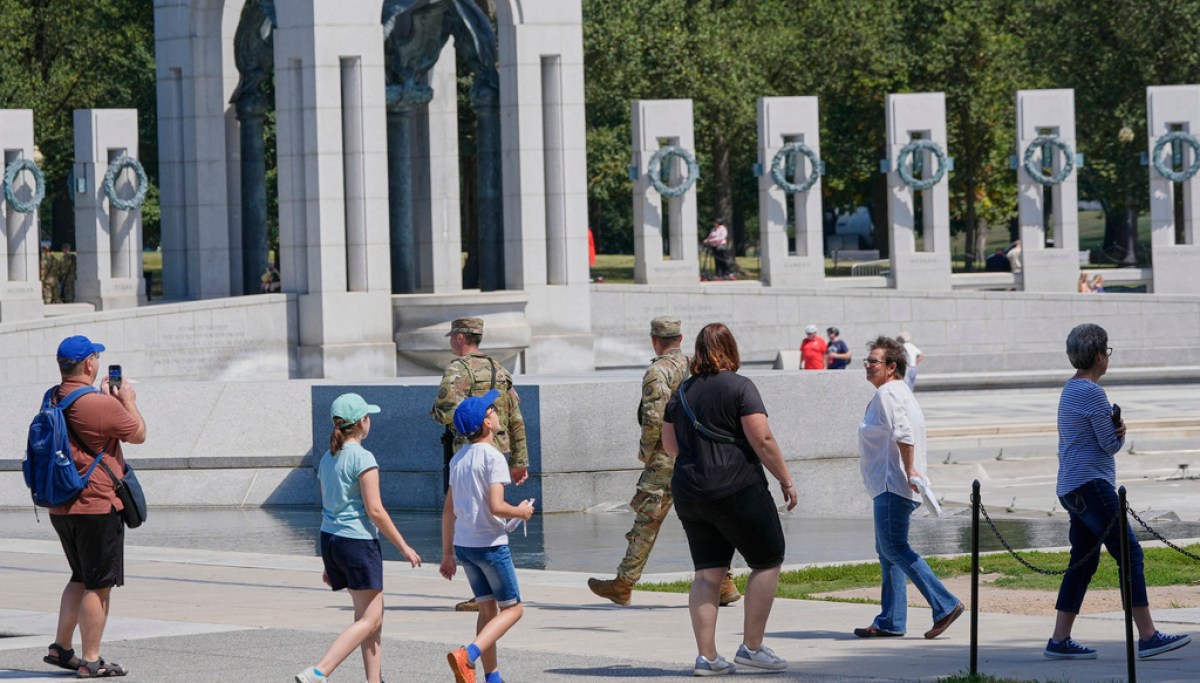
- The article criticizes modern memorials, like the Eisenhower Memorial and World War II Memorial, for diluting themes of sacrifice and achievement.
- Contemporary memorials are described as vague and evasive, failing to provide a 'just retelling' of war and sacrifice.
- The Montgomery Memorial is presented as a high precedent for acclaim, illuminating the path forward in enacting justice for veterans and serving as an emblem of sacrifice and achievement.