This Is Your Brain on Short-Form Video
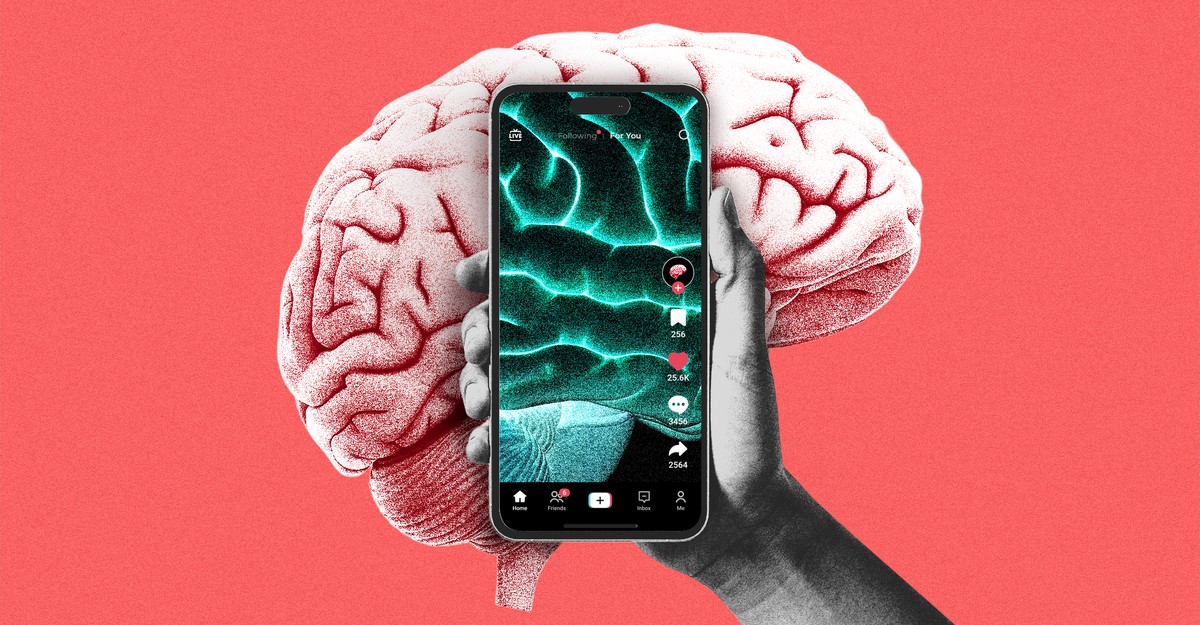
Scientists know very little about how TikTok and its copycats affect human cognition, but the signs aren’t good.
TL;DR
- There is a significant lack of research on the effects of short-form video on the human mind.
- Conducting studies is challenging due to the fast pace of technology, cost, and lack of government funding.
- Tech companies possess valuable data but are not motivated to fund research that could reveal detrimental effects of their products.
- Some internal research, like that from TikTok, has allegedly linked compulsive usage to negative mental health effects and loss of cognitive skills.
- Publicly available studies are often flawed, such as a viral MRI study that was misinterpreted to suggest short-form videos harm cognition.
- Available research suggests associations between increased short-form video use and poorer impulse control, mental health outcomes, and attention capacity.
- Studies indicate potential degradation of prospective, working, and episodic memory with high short-form video consumption.
- The overstimulating nature and unlimited scrolling potential of short-form videos are hypothesized to be particularly detrimental.
- Uncertainty about technology's effects reduces pressure on companies to make changes and leaves governments to enact policy without sufficient information.
- The widespread perception of a problem with short-form video, alongside observable multitasking behaviors, suggests a potential attention epidemic.