What lessons will Iran's new leadership draw from the 110-day war?
Now fighting is over, the question is how Iran’s government will behave. Early clues point to more authoritarianism and prioritising relations with China
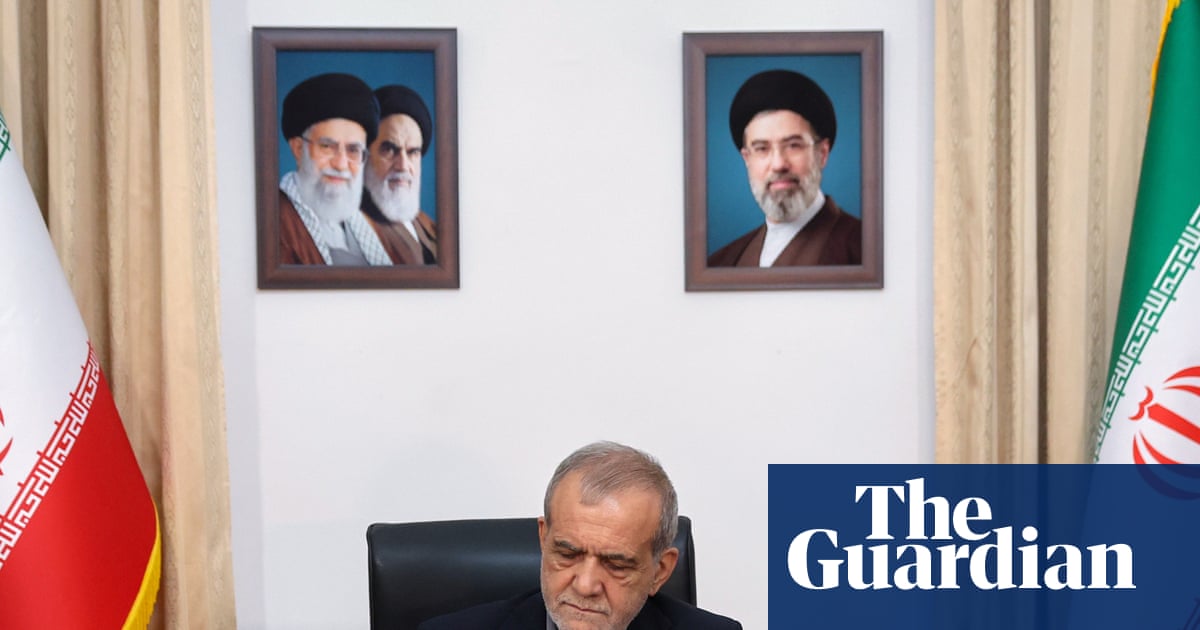
TL;DR
- Iran's leadership is assessing the ideological lessons from a recent war to guide future decisions on nuclear negotiations and international relations.
- There is an internal debate on whether the leadership is driven by an Islamic ideological crusade or a desire for pragmatism.
- Supreme Leader Mojtaba Khamenei has expressed opposition to a deal in principle but deferred to the president, with conditions.
- Some US politicians, like Donald Trump, have expressed optimism about negotiating with Iran's new leadership, viewing them as rational.
- Other US officials, including the CIA director, have warned that Iran's private intentions may differ from its public statements.
- Hardline factions in Iran, such as the Paydari Front, have denounced the recent deal and engagement with the West.
- Mohammad Bagher Ghalibaf, speaker of Iran's parliament, is seen as a key beneficiary of the recent events and advocates for negotiation.
- Experts suggest Iran's new leadership may adopt a more authoritarian approach, strengthen ties with China, and pragmatically consider the IRGC's advice.
- While a nuclear deal is potentially available, verification and intrusive UN inspections remain key challenges.
- Iran's focus appears to be shifting from external threats to improving the economy, with an emphasis on balanced relations between the West and East, particularly China.
- There's a strategic error perception regarding Iran not prioritizing relations with China in the past, which is now being addressed.