'I love it. It’s hope': the mysterious self-willed wildflower meadow that seeded itself
Farmer Derek Sayer let a boggy field run wild and just one annual hay-cut has led to remarkable biodiversity
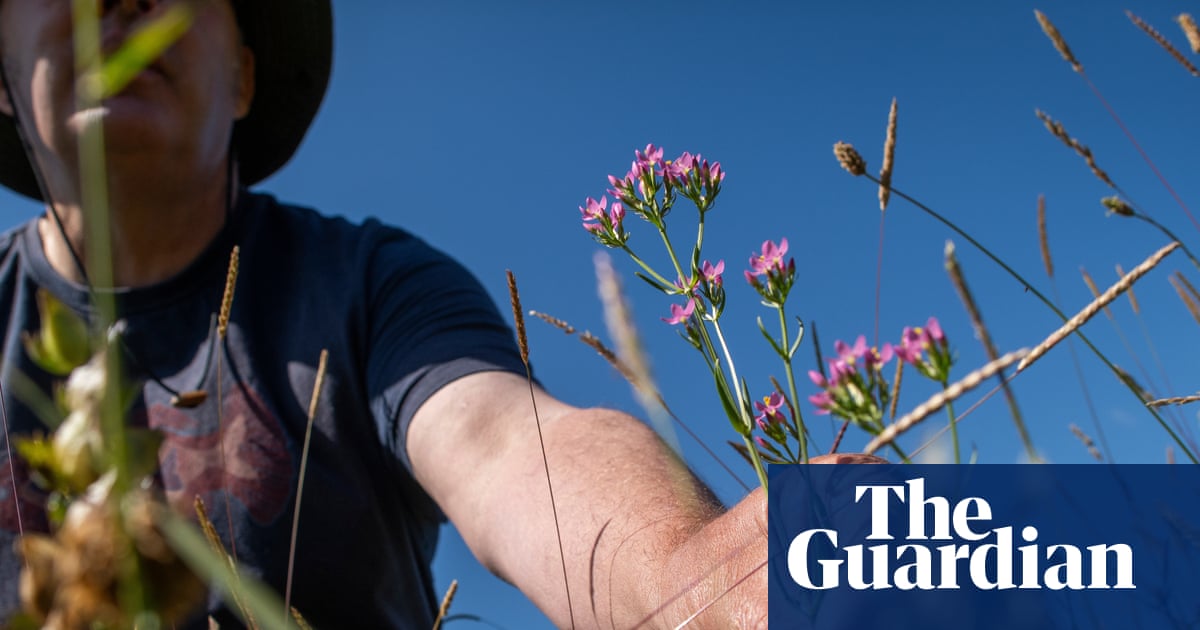
TL;DR
- Sayer's Old Meadow in north Norfolk transformed from a single crop field to over 150 plant species through only an annual hay cut.
- This ecological recovery occurred without sowing commercial wildflower mixes or undertaking expensive interventions.
- The findings suggest that nature's own processes, with minimal intervention like annual cutting, can effectively restore flower-rich meadows.
- The meadow's transformation challenges the common practice of using expensive wildflower seed mixes for restoration.
- The field's biodiversity has increased annually since the hay-cutting began in 2011, replacing thistles and annual weeds with perennial wildflowers.
- The annual hay cut reduces nutrients in the soil, favoring delicate wildflowers, and prevents the field from turning into woodland.
- Seeds may have been dispersed by wild deer, or potentially by human activity, as the nearest rare flower populations are miles away.
- This "self-willed" meadow is more genetically diverse and locally appropriate than 'McMeadows' created with commercial seed mixes, and is significantly cheaper to establish.