How a South African town cleaned up its polluted river using stones, wood and sand
Scientists say system to treat contaminated wastewater offers a model for ensuring food security in a fast-warming climate
TL;DR
- A University of Cape Town project uses stones, heat-treated wood (biochar), and sand to clean polluted river water without chemicals.
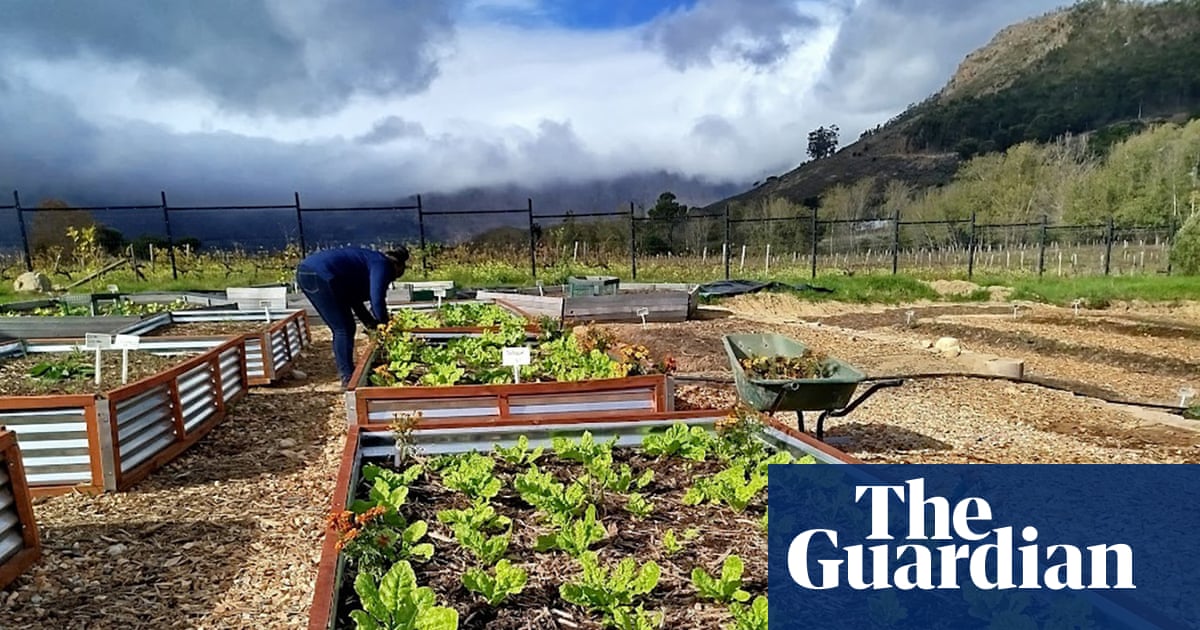
- The system treats 36,000 liters of water daily, making it usable for irrigating vegetable plots.
- It removes approximately 99% of toxins, including sewage, chemicals, drugs, and medication residue.
- The Water Hub project is seen as a potential model for ensuring food security in the context of climate change.
- The system is off-grid, utilizing solar power, and filters water over five days in abandoned wastewater drying beds.
- While not for drinking, the treated water is safe for irrigation and helps restore surrounding ecosystems.
- The project addresses water scarcity issues exacerbated by rapid population growth and climate change impacts like drought.