William Shatner on Star Trek at 60: 'I Suggested Maybe a Lighter Touch'
The actor and others involved with the phenomenon speak about the legacy and progressivism of a much-loved science fiction TV series as it reaches an important milestone.
TL;DR
- Star Trek is celebrating its 60th anniversary, originally conceived as a utopian vision of diversity, empathy, and reason in the 1960s.
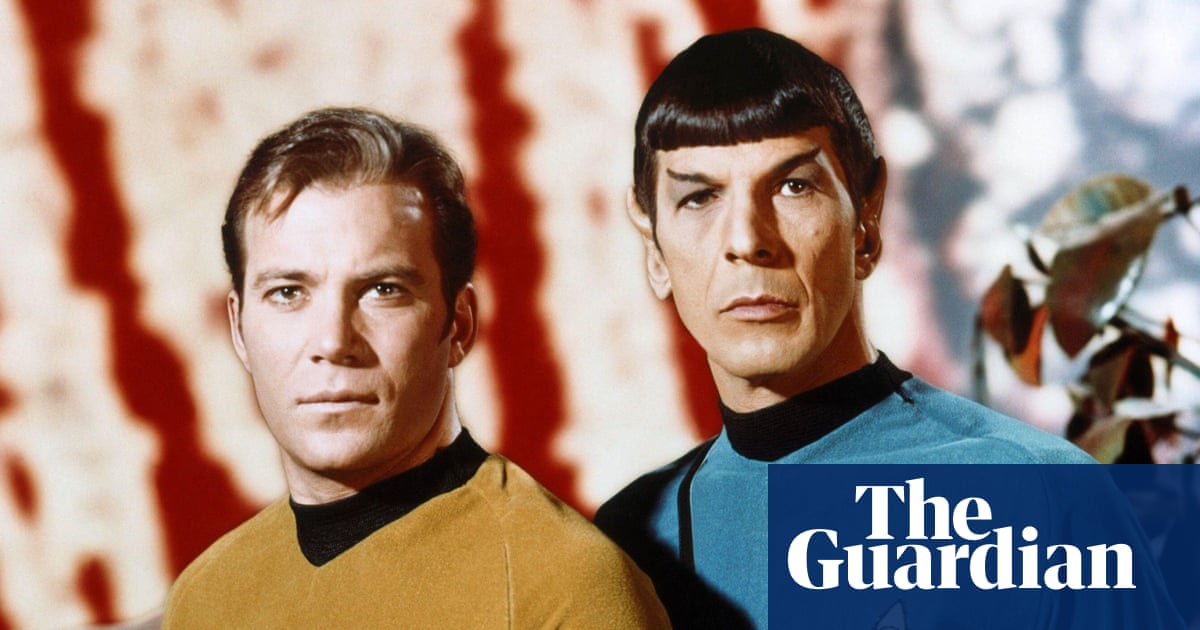
- William Shatner recalls suggesting a "lighter touch" for the original pilot, which led to the show's sale and its subsequent impact.
- The series made history with its first high-profile scripted interracial kiss between William Shatner and Nichelle Nichols in 1968.
- Contemporary critiques, particularly from rightwing figures like Stephen Miller and Elon Musk, label the newest Star Trek series as "woke," leading to cancellations like Starfleet Academy.
- Proponents argue that diversity and inclusion are fundamental "through-lines" in Star Trek, essential for the crews to face cosmic challenges effectively.
- The show's early portrayals of meritocracy and diversity, including an African American woman in command and an alien as second-in-command, were groundbreaking for the era.
- Comparisons are drawn between Star Trek's political leanings and different eras, with Captain Kirk's era seen as more traditionally moderate and 'The Next Generation' reflecting consensus-building.
- The series consistently explored ethical dilemmas related to science, technology, and the cost of war, reflecting the experiences of its creators who had lived through WWII.
- Star Trek's utopian vision of a post-scarcity society is contrasted with capitalist viewpoints, such as Peter Thiel's assertion that Star Wars is a more capitalist show.
- In an era of "post-truth," the show's core values of science, diversity, and inclusion are seen as under attack, raising concerns about its future.