Why are the Houthis attacking Saudi airports and how are the missiles getting through?
Attacks by Iran-backed group come amid counteroffensive by Yemeni government supported by Riyadh
TL;DR
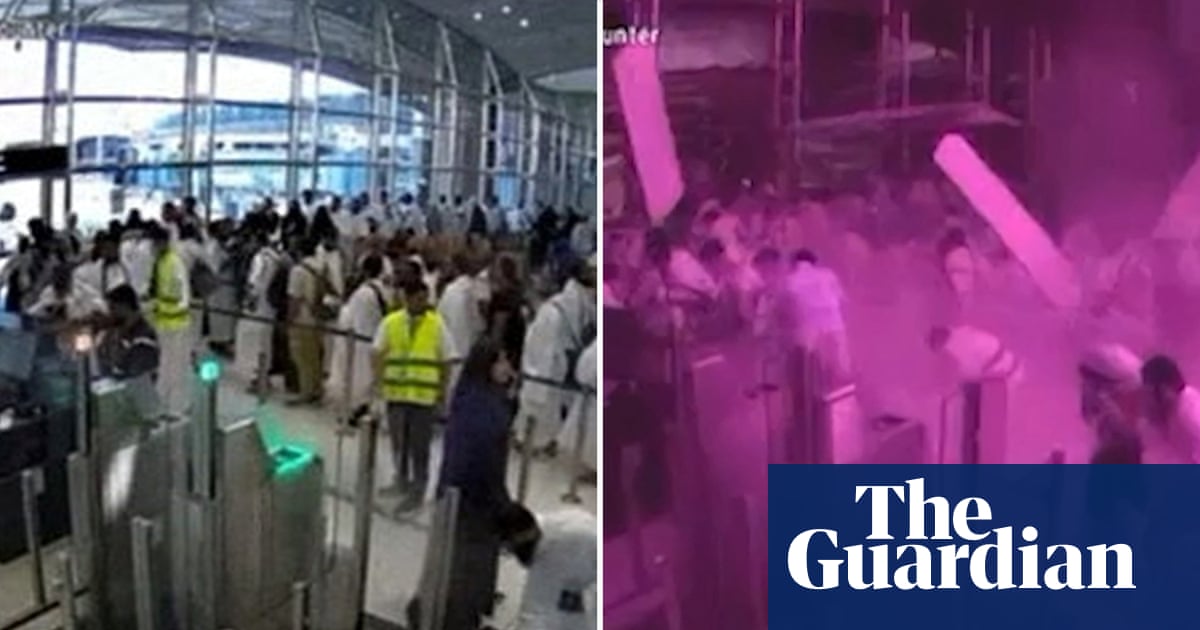
- Houthi missile strikes on Riyadh's international airport killed 13 and injured hundreds on Saturday, with another attack injuring a dozen on Sunday.
- The attacks are the biggest escalation yet in the Houthis' campaign against Saudi targets, with potential global consequences like rising fuel prices and inflation.
- The timing of the attacks is opportunistic, coinciding with a counteroffensive by Yemeni government forces against the Houthis, who recently gained control of the Bab al-Mandab strait.
- Saudi Arabia's support for Yemen's UN-backed government makes it a target for the Houthis, and the attacks aim to highlight the costs of Riyadh's strategic choices.
- Iran benefits from these attacks as part of its regional influence strategy, demonstrating Tehran's leverage over global oil and gas supplies.
- These are the deadliest attacks in Saudi Arabia in a decade and have caused significant disruptions to civil aviation, business, and education.
- Saudi Arabia's extensive military spending has not prevented these attacks, as its large territory makes comprehensive defense difficult.
- The Houthis have stated their actions are in response to Saudi strikes in Yemen and have threatened further action if Saudi aggression continues.
- There is no immediate prospect of an end to the hostilities, with Saudi Arabia unlikely to halt counterstrikes and the Houthis appearing unified and confident.