In Spain’s Ceuta, underage migrants live on the streets
CEUTA, Spain (AP) — Hundreds of teenage migrants lined up outside a church in Ceuta in early October, hoping Spain’s visiting minister of youth would bring them some good news: passage to continental Europe or at least a spot in a shelter.
TL;DR
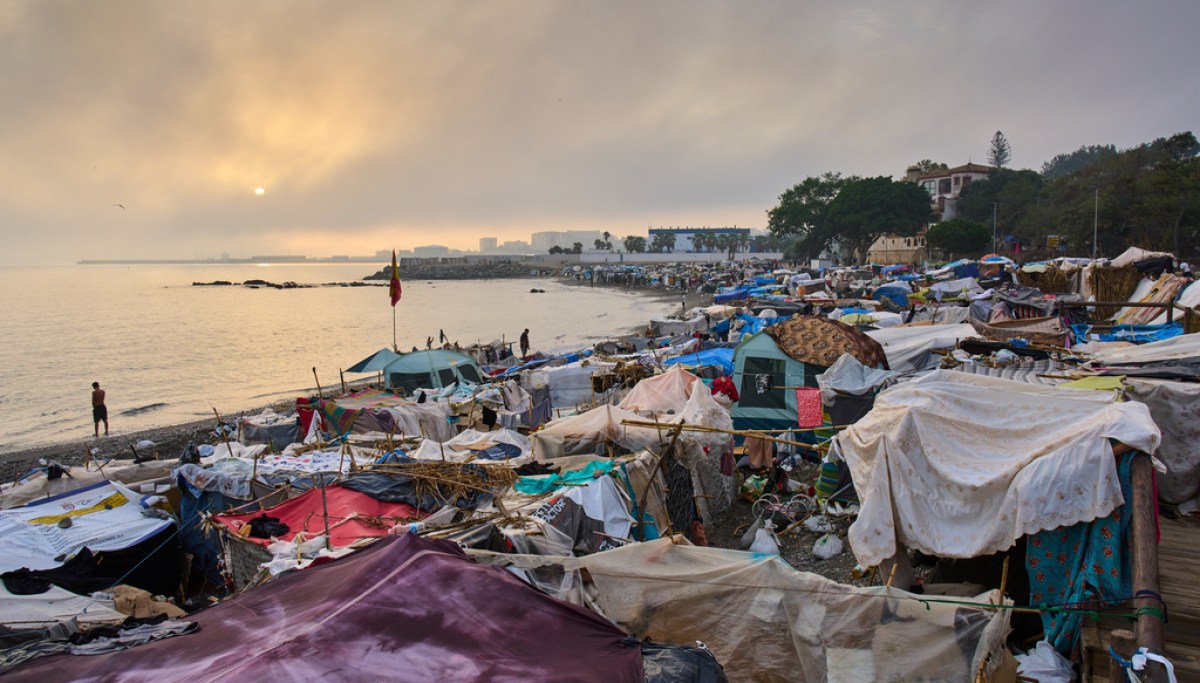
- Hundreds of teenage migrants are living in makeshift camps and on the streets of Ceuta, Spain, after crossing into the enclave.
- Under Spanish law, minors are entitled to shelter, healthcare, and education, but authorities are overwhelmed and struggling to provide these services.
- The Spanish government's response to the crisis has been criticized as slow, improvised, and potentially hoping that many migrants will leave.
- A political dispute exists between Ceuta's city government and Spain's national government regarding responsibility and resources for caring for the underage migrants.
- Migrants report facing dangerous conditions, including fights, lack of sanitation, and instances of attempted robbery.
- Rights groups criticize the lack of an official registry for underage migrants and express concern over their vulnerable situations.
- There are discrepancies in the estimated number of migrants remaining in Ceuta, further complicating efforts to manage the situation.
- Some minors have been moved from camps, with concerns raised that some may have been taken to the border.
- Many teenage migrants express a desire to stay in Spain due to limited opportunities in their home country, Morocco.