I thought bike lanes were ‘DEI.’ Then an SUV killed my father
Two years ago, I thought bike lanes were a DEI project too. Two years ago, I also had a dad.
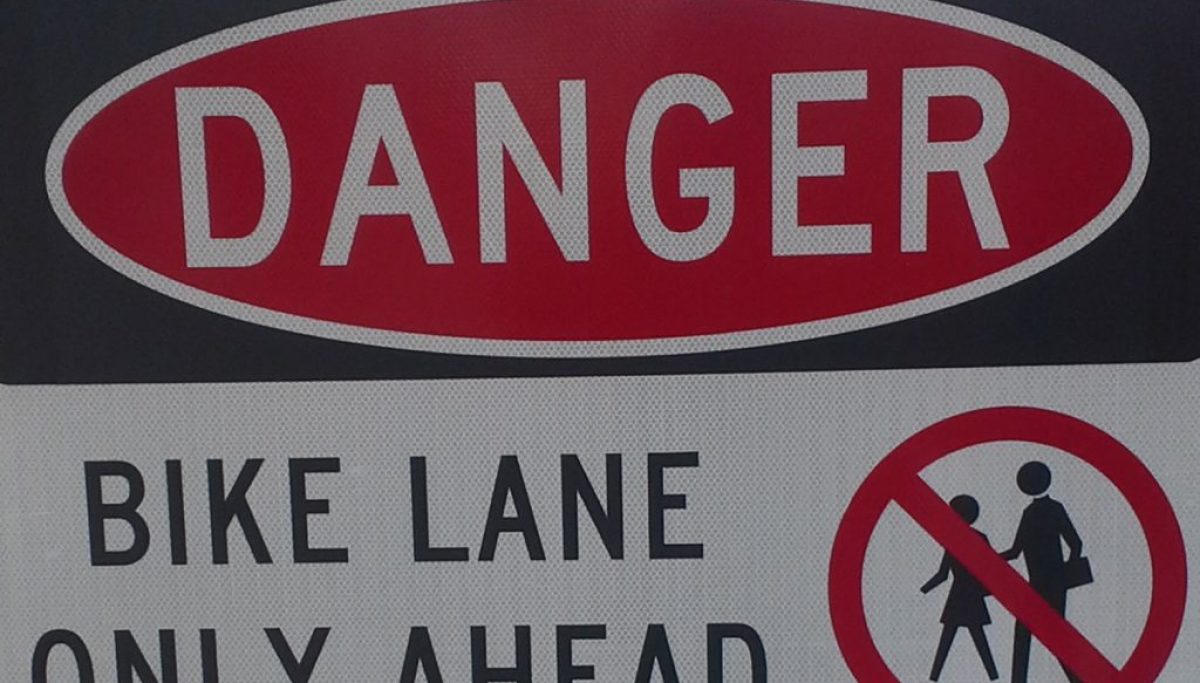
TL;DR
- The author, a Republican, experienced a personal tragedy when her father was killed by an SUV, prompting her advocacy for safer streets.
- She observes that political polarization, particularly around terms like "DEI bike lanes," prevents bipartisan agreement on street safety, even though both sides may desire the same outcomes.
- Multimodal infrastructure, including bike lanes, offers benefits such as "freedom of movement," "accessibility," "law and order" through preventative engineering, improved public health, and economic development.
- Evidence from New York and Seattle shows protected bike lanes can significantly boost retail sales and employment, while creating more jobs per dollar spent than car-centric road projects.
- Preventable pedestrian deaths carry a substantial economic cost, estimated at $40 billion in the first half of 2025.
- Previous bipartisan efforts on street safety, like "Stop Super Speeders" bills, demonstrate that common ground can be found.
- Transportation infrastructure should be viewed as a single system including roads, bike lanes, sidewalks, and crosswalks, rather than competing priorities.
- The author urges experts to guide the conversation and emphasizes that agreeing on the need for Americans to arrive home alive is more important than agreeing on the reasons for building safer streets.