Trump's Cuba Siege is a Waiting Game
Thirty years ago, Wayne Smith, the former chief of the U.S. Interests Section in Havana, argued in a 1996 essay that Cuba might follow something resembling Spain’s path under Francisco Franco. Economic liberalization would create new interests, those interests would demand political representation, and the system would evolve into something else. It was a plausible argument. It was also wrong.
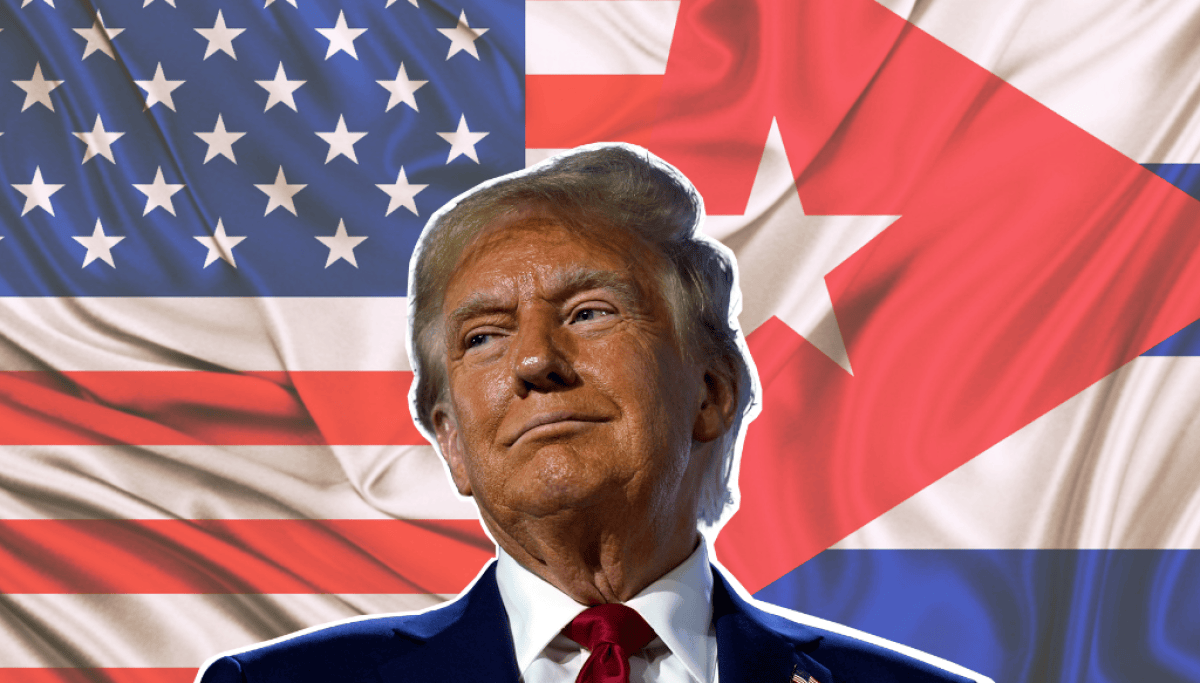
TL;DR
- The U.S. strategy for Cuba demands political freedom before economic liberalization, contrasting with the approach in Venezuela.
- Cuba is implementing economic reforms but faces U.S. pressure designed to tighten sanctions, described as 'siege warfare by other means'.
- Cuba's public posture is one of endurance, waiting for potential shifts in U.S. policy and international condemnation of the embargo.
- The prolonged slowdown is leading to 'authoritarian anarchy' in Cuba, characterized by a weakened government unable to provide basic services and accelerating emigration.
- The U.S. approach is seen as potentially poisoning future reconstruction efforts by favoring well-connected entities.
- The differing strategies create a standoff where Washington seeks power and Havana offers markets.