'Is this too little, too late?' Students on school's response to gang-rape allegations
Students say the school is more interested in scapegoating fraternities than in committing to institutional change.
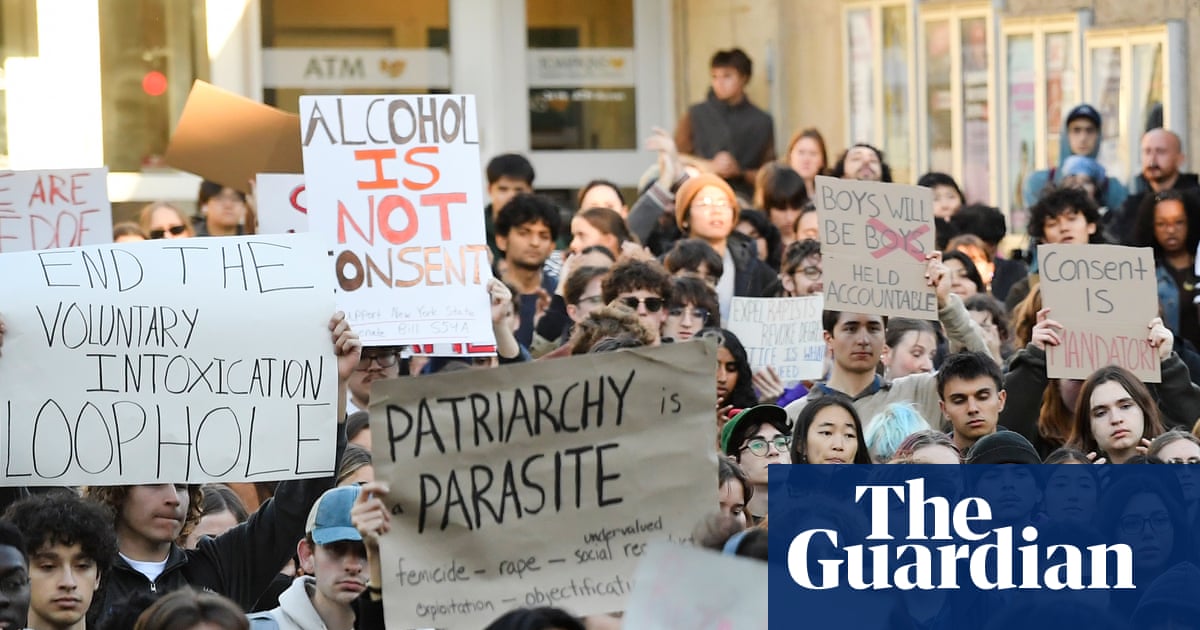
TL;DR
- Cornell University has banned fraternity parties for the rest of the academic year following a lawsuit alleging a gang-rape at a Chi Phi fraternity house.
- The ban is intended to allow for a review of fraternity life and enhance campus safety.
- Some students support the ban, viewing it as necessary in light of the alleged assault.
- Other students believe the ban is a manipulative tactic by the administration to avoid culpability and deflect from systemic issues.
- Students like Jack Huber and Darius Pierce argue that the university should focus on institutional change, such as implementing an independent judicial system, rather than blaming fraternities.
- The lawsuit, filed by a former student using the pseudonym Jane Doe, accuses seven members of the Chi Phi fraternity of sexual assault.
- Cornell University Police did not pursue criminal charges, leading to an internal investigation and a later reopening of the investigation in response to public outrage.
- Students also point to a prevalent culture of drinking and substance use within Greek life as a contributing factor to sexual misconduct.
- Cornell's statistics show a high percentage of undergraduate women reporting nonconsensual sexual contact, with fraternities being a common setting.
- While the university is also adding a case manager and involving independent investigators, some students feel these measures are insufficient and too late.