Introducing Ulez was my hardest decision as mayor of London – but now we know its astonishing impact
Critics said I was attacking motorists. It’s more important for me that the city’s children are no longer breathing dangerous levels of pollution.
TL;DR
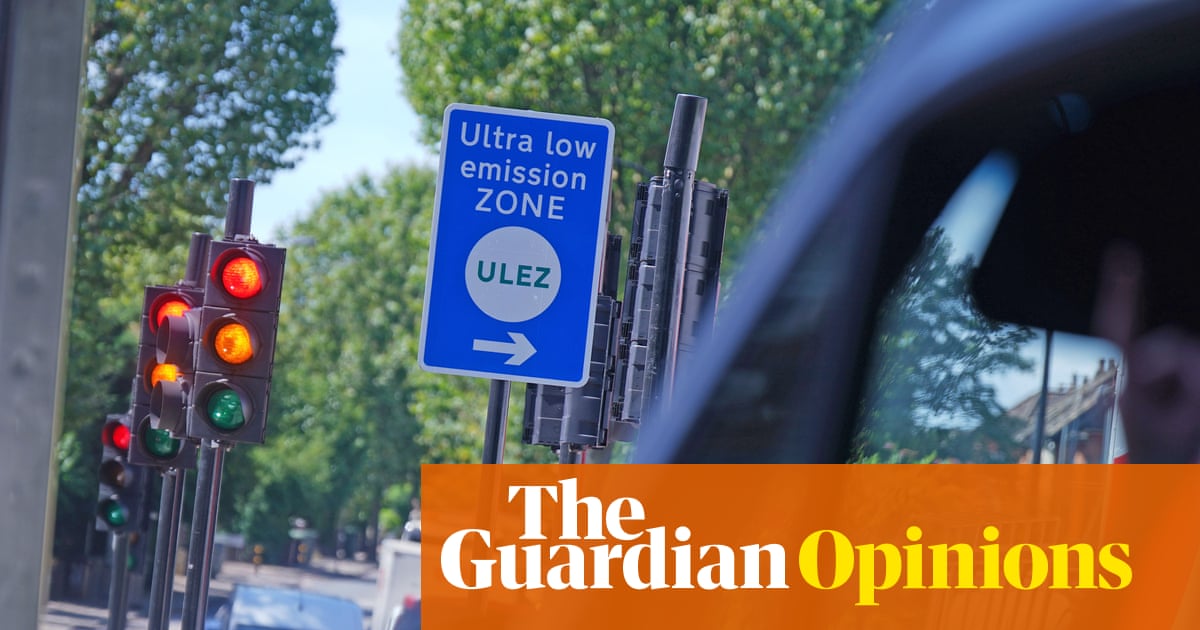
- The Ultra Low Emission Zone (Ulez) in London, introduced over seven years ago, faced significant criticism and opposition, particularly during its expansion.
- Recent studies, including one from Imperial College London, show that Ulez has reduced air pollution, leading to an estimated 40% fall in air pollution-related deaths in London between 2019 and 2024.
- A new study by Queen Mary University of London indicates that Ulez has improved children's lung health, with London children's lung function catching up to those in cleaner areas like Luton.
- Children are particularly vulnerable to air pollution due to their faster breathing rates, mouth breathing, and proximity to vehicle exhausts.
- Nitrogen dioxide (NO2) levels in London have fallen significantly, reaching legal limits 184 years earlier than predicted without additional action.
- The proportion of children in London with clinically impaired lung function decreased from 14% to 9% over the study period.
- The mayor views Ulez as a crucial measure for protecting public health, not as an attack on motorists or a revenue-generating scheme.
- Air quality monitors at The Aldgate school showed a 48% reduction in nitrogen dioxide levels last year, impacting children's ability to play outdoors without health concerns.