As King Charles heads to the Caribbean, he should know that Winston Churchill admitted to imperial plunder 90 years ago
Modern politicians play on tales of empire to exaggerate what Britain left behind, but the monarch should consider a historical speech on the vast wealth taken away
TL;DR
- UK politicians are promoting a distorted view of the British Empire, claiming colonies owe Britain gratitude for institutions and development.
- Winston Churchill's 1937 speech acknowledged that Britain's Caribbean possessions provided crucial capital and wealth that financed its rise as a global economic power.
- The conventional narrative of empire often overlooks what Britain took from its colonies, such as wealth extracted through exploitation and slavery.
- Colonial wealth, generated through the forced labor of enslaved Africans in the Caribbean, financed Britain's development and allowed it to finance wars and dominate international commerce.
- When slavery was abolished, Britain compensated enslavers, not the enslaved, and significant fortunes were made by families through this system.
- Caribbean workers were rebelling against economic conditions in the 1930s, demanding political representation and self-government, contradicting the idea of colonial gratitude.
- The question of who developed whom is central, with colonised peoples' labor and resources contributing heavily to Britain's transformation.
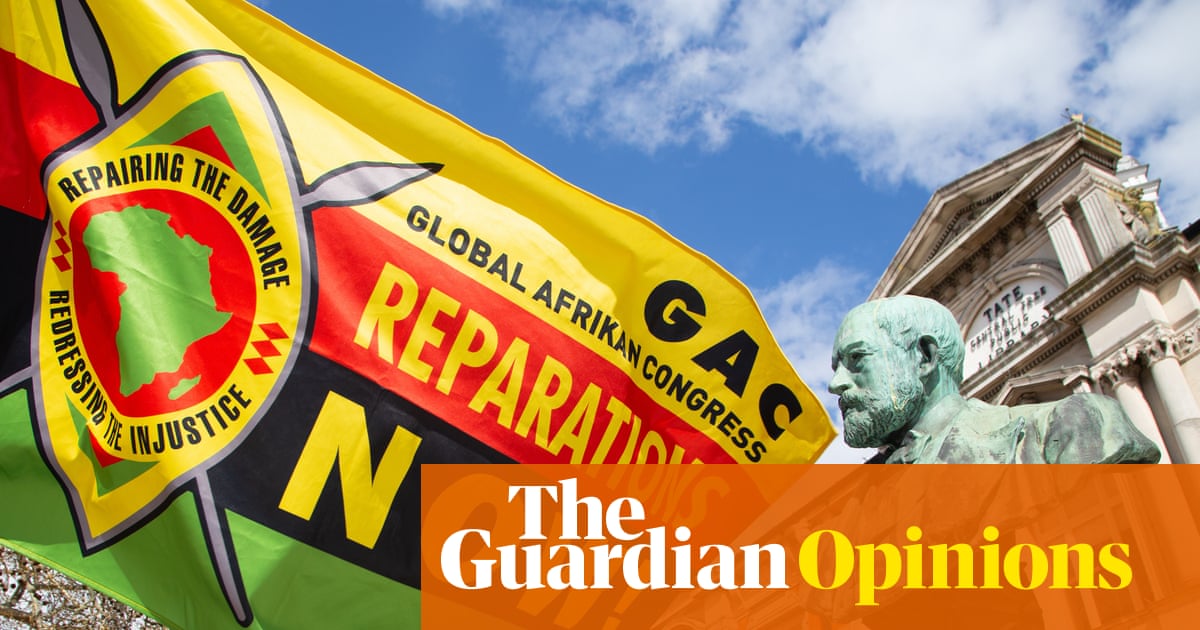
- King Charles's visit to the Caribbean comes amid growing demands for reparatory justice and constitutional independence.
- Britain has historically blocked reparations claims, and while the King has expressed personal sorrow over slavery, apologies and reparations are seen as government matters.
- The Commonwealth's value is questioned if it cannot secure meaningful engagement from Britain on historical grievances, particularly for Caribbean states facing economic and climate challenges.