AI and the climate crisis pose existential risks. The law offers a way to reduce them
Liability lawsuits have held tobacco, oil and pharma companies to account in the past. AI investors won’t ignore this threat
TL;DR
- The climate crisis and AI pose escalating risks of extraordinary harm.
- Donald Trump and his Republican allies refuse to address these risks, potentially worsening them.
- Liability law can be used to reduce these risks by holding companies accountable for damages.
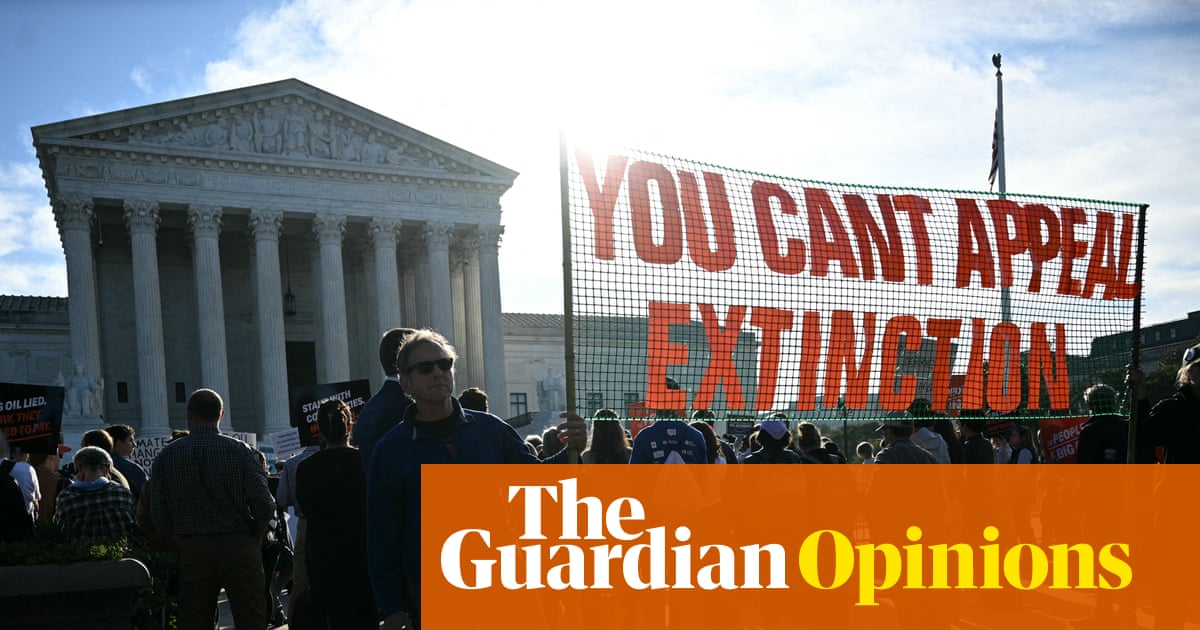
- The Supreme Court is considering a case, Suncor v Boulder, involving climate change-related lawsuits against oil companies.
- Several Supreme Court justices expressed skepticism about oil companies' arguments against such lawsuits, drawing parallels to tobacco and opioid settlements.
- AI companies and tech giants could face massive liability for harms caused by AI agents, similar to past corporate settlements.
- The potential financial risk from liability will weigh on AI companies and investors, forcing them to prioritize public safety.
- The AI industry is likely to seek federal laws to limit liability, such as caps and industry-funded trust funds.
- Insurers and major investors are already demanding better control and limitation of AI risks, evidenced by numerous cyber-liability and AI-related product liability cases.
- Liability law is presented as an important, though not perfect, starting point for incentivizing companies to improve safety.